

AI Marketing as the New Competitive Edge
Singapore’s digital landscape is evolving at a breakneck pace, and the traditional marketing playbook no longer suffices. Businesses are no longer simply trying to reach audiences—they need to anticipate their next move. This is where AI Marketing becomes indispensable. By blending machine intelligence with strategic insight, companies are able to deliver campaigns that are predictive, personalized, and highly efficient.
In a city-state renowned for technological adoption and government-driven initiatives like the Smart Nation program, AI adoption isn’t just optional—it’s mandatory for businesses that want to remain relevant. From e-commerce to fintech, AI-powered insights are reshaping the way brands engage with consumers, delivering tailored experiences that meet rising expectations.
But implementing AI isn’t simply about adopting tools—it’s a mindset shift. Marketers now rely on predictive analytics, behavioral modeling, and automation to stay ahead. AI Marketing allows brands to act with agility, making informed decisions faster than ever before. This article explores the applications, benefits, and challenges of AI-powered marketing in Singapore, illustrating why businesses that embrace this technology are not just surviving—they’re thriving.

Singapore’s Digital Infrastructure: A Playground for AI Marketing
Singapore’s high connectivity, cloud adoption, and tech-forward policies make it the perfect environment for AI Marketing. Internet penetration exceeds 90%, and mobile usage is among the highest in the world, creating fertile ground for data-driven strategies. Government initiatives ensure that enterprises—from SMEs to multinational corporations—have the digital infrastructure and support needed to scale AI initiatives effectively.
E-commerce, digital banking, and mobile-first services dominate consumer interactions. Businesses can harness AI-powered analytics to understand trends, predict behavior, and personalize customer experiences. Real-time insights allow marketers to adjust campaigns on the fly, improving engagement and ROI.
Adopting AI Marketing empowers brands to optimize campaigns, streamline operations, and uncover hidden patterns in consumer behavior. Singapore’s ecosystem rewards precision, and AI provides it. From personalized messaging to dynamic ad placements, brands can operate with unprecedented intelligence. In such a competitive market, leveraging AI isn’t just advantageous—it’s survival.

Understanding AI Marketing: More Than Automation
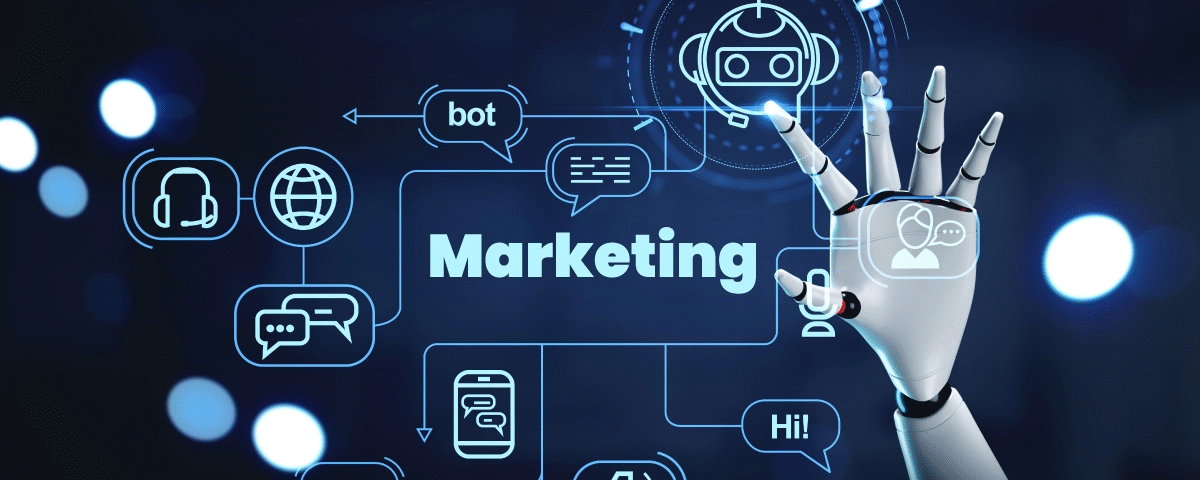
AI marketing isn’t just automation—it’s intelligence applied at scale. Where automation follows rules, AI Marketing learns patterns, predicts outcomes, and enables hyper-personalized strategies. Machine learning, predictive analytics, and natural language processing allow marketers to understand customer intent and deliver content that resonates.
Predictive analytics can identify which leads are most likely to convert, while AI-powered chat systems handle customer queries efficiently, capturing data for future insights. Email campaigns, push notifications, and social content can all be optimized dynamically, ensuring maximum engagement. AI Marketing helps marketers reclaim time from repetitive tasks, allowing them to focus on strategy, creativity, and innovation.
The synergy between human creativity and AI intelligence is what sets successful campaigns apart. Data drives precision, but storytelling builds connection. In Singapore’s high-expectation digital ecosystem, businesses that blend insight with empathy are the ones that win. Implementing AI Marketing effectively means leveraging both the analytical and the human side of marketing in unison.
Real-World Applications of AI Marketing in Singapore
Singaporean businesses are already applying AI Marketing in transformative ways. Retailers use AI to forecast demand and tailor product recommendations, creating highly personalized shopping experiences. Financial institutions employ predictive modeling to segment customers based on behavior, not just demographics. Even hospitality and service sectors are leveraging AI to optimize pricing, reduce operational costs, and enhance customer satisfaction.
Programmatic advertising allows automated, data-driven ad placements with real-time targeting, reaching audiences with unmatched precision. Social media campaigns are guided by AI insights to maximize engagement, while email marketing leverages AI to optimize send times, subject lines, and content personalization.
Every implementation reinforces the same principle: AI Marketing allows businesses to move faster, make smarter decisions, and create highly relevant experiences for consumers. Singapore’s digital ecosystem isn’t just a backdrop—it’s a catalyst. Businesses that exploit this environment through AI gain measurable competitive advantage, making every customer interaction an opportunity for insight and growth.
Benefits of AI Marketing: Driving Efficiency and Growth
The impact of AI Marketing extends beyond campaign performance. It improves operational efficiency, reduces costs, and enables predictive decision-making. Marketing budgets are optimized in real time, minimizing waste and maximizing ROI. Churn prediction and lifetime value analysis allow businesses to focus resources on high-value customers.
AI also democratizes marketing sophistication. Cloud-based tools allow SMEs to access predictive analytics and automation previously reserved for large enterprises. Campaigns are no longer one-size-fits-all—they are intelligent, adaptable, and scalable.
Moreover, AI provides businesses with foresight. Real-time dashboards, trend analysis, and predictive insights allow teams to pivot quickly and strategically. By leveraging AI Marketing, Singaporean brands can create data-backed strategies, improve customer engagement, and achieve sustainable growth in a fast-moving digital economy.
Challenges and Ethical Considerations in AI Marketing
With great power comes responsibility. AI Marketing raises ethical and privacy concerns, particularly under Singapore’s Personal Data Protection Act. Companies must manage sensitive customer data responsibly and maintain transparency in AI-driven interactions.
Bias is another critical challenge. AI models can unintentionally reinforce preexisting biases if training data isn’t carefully audited. Ethical frameworks and governance mechanisms are essential to prevent misuse. Over-reliance on AI can also stifle creativity—human oversight remains vital.
Singapore’s ecosystem encourages innovation but demands accountability. Businesses adopting AI Marketing need to balance efficiency with ethics, ensuring that consumer trust and brand integrity remain intact. Ethical AI isn’t just compliance—it’s a competitive advantage.
Conclusion: Embracing AI Marketing for the Future
AI-powered marketing is no longer a futuristic concept—it is the present reality of Singapore’s digital ecosystem. Businesses leveraging AI Marketing gain insights, efficiency, and agility that traditional approaches cannot match.
From predictive analytics to hyper-personalization, AI transforms how companies understand and interact with their audience. Yet the real advantage lies in combining AI intelligence with human strategy and ethical considerations. Brands that integrate AI thoughtfully, responsibly, and strategically will lead Singapore’s digital marketplace.
In a city where speed, precision, and innovation define success, intelligence isn’t optional—it’s the currency of relevance. AI Marketing is the tool that turns data into opportunity and insights into growth. Those who adopt it decisively are not just keeping pace—they are setting it.


