

Why Singapore’s Competitive Edge Hinges on AI
Singapore’s marketing landscape is unforgiving. Brands compete not just on creativity but on data mastery, speed, and predictive precision. Gone are the days when intuition alone could fuel campaigns that cut through noise — today, performance is dictated by algorithms, automation, and intelligent systems that see patterns humans can’t. At the heart of this transformation lies AI Marketing — a force reshaping how insights fuel measurable impact.
In a city-state where technology adoption is strategic, agencies and brands are doubling down on capabilities that deliver real outcomes. If the past decade was about data collection, the present is about turning data into actionable intelligence — and ultimately action. For Singaporean brands aiming to scale locally and regionally, mastering AI Marketing means mining deeper customer context, automating decisions, and deploying hyper-relevant messaging at scale.
Real transformation begins when AI shifts from a buzzword to a backbone for strategic execution. Companies now rely on AI Marketing to unify insights, optimize campaigns, and drive ROI. From predictive analytics to automation platforms, AI Marketing empowers teams to anticipate customer behavior and respond with precision.
This article explores how Singapore brands evolve from chasing data to orchestrating intelligent, impactful campaigns. With AI Marketing as the engine, campaigns become smarter, faster, and measurably more effective.

Turning Data Into Strategic Insight: The Real Power of AI Analytics
At the core of AI-powered campaigns is not data itself, but its interpretation. Singapore’s marketers sit on mountains of customer information — but insights emerge only when advanced analytics convert noise into narrative. Enter AI Marketing solutions that analyze patterns, predict behavior, and highlight actionable opportunities.
Predictive analytics — modeling future customer journeys — is no longer exclusive to large enterprises. Singaporean brands now leverage AI Marketing to understand which audiences will convert, churn, or advocate. These systems digest historical interactions, real-time behavior, and macro trends to generate lenses of insight that inform campaign strategy.
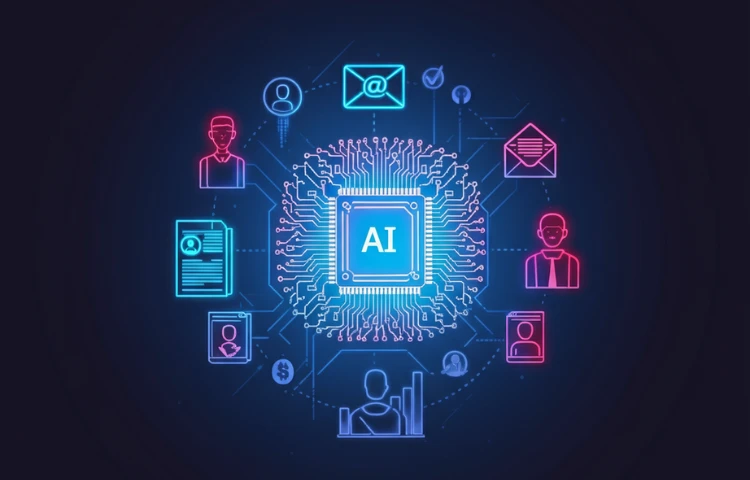
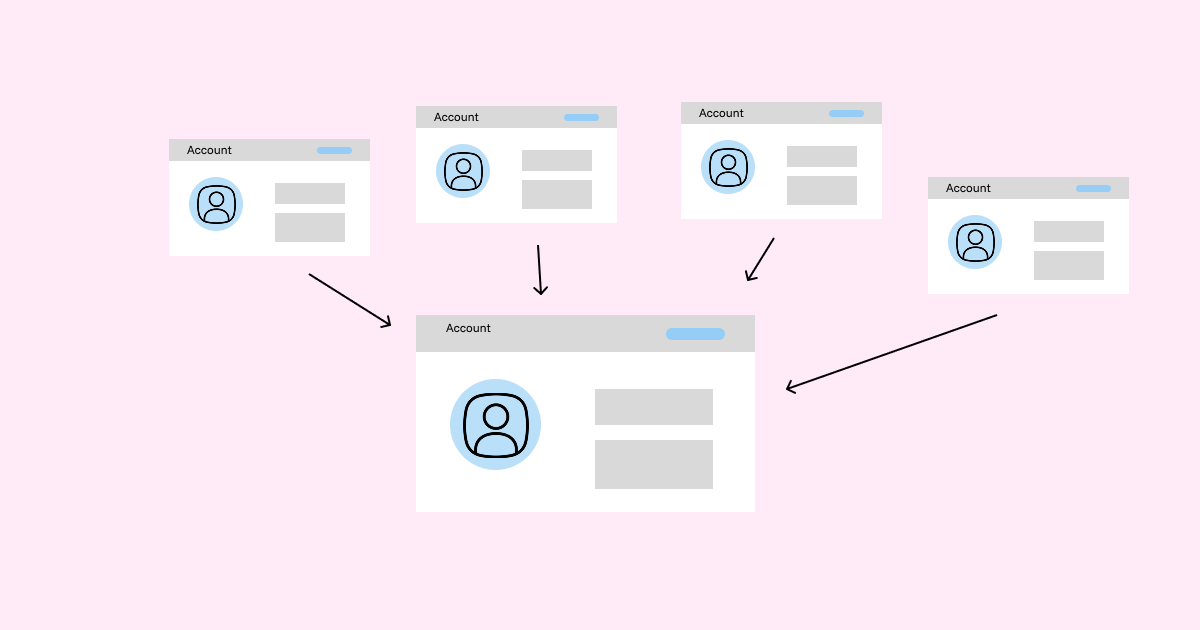
The genius of AI lies in contextual intelligence. Instead of simple segmentation, AI Marketing identifies micro-tribes based on intent, affinities, and purchase pathways. By unifying customer profiles, campaigns powered by AI can deliver personalized messaging across web, mobile, and email channels, ensuring relevance at every touchpoint.
In Singapore’s competitive e-commerce and retail markets, these insights drive smarter budget allocation, accurate lifetime value forecasting, and improved creative resonance. With AI Marketing, optimization is evidence-based, not anecdotal — a true game-changer for ROI-driven campaigns.
Hyper-Personalization That Converts: Humans and Machines in Harmony
Personalization has evolved from inserting a name in an email to anticipating consumer needs at every interaction. Singapore’s diverse and digitally sophisticated audience expects nuance, and brands that fail to deliver relevance fall behind.
Modern campaigns use AI Marketing to automate real-time personalization, dynamically adjusting content based on behavior, preferences, and predicted intent. Platforms now score leads, recommend products, and serve messages with precision, ensuring the right touchpoint reaches the right person at the right time.
From dynamic product recommendations to adaptive web content, AI Marketing optimizes campaigns continuously. Even email sequences, push notifications, and social media messaging can be hyper-personalized, lifting engagement and conversion rates. By integrating AI across channels, Singaporean brands can connect with consumers in ways that feel human yet are data-driven.
Hyper-personalization through AI Marketing drives loyalty, increases average order values, and strengthens brand affinity. In competitive verticals like finance, travel, and retail, brands using AI-powered personalization consistently outperform those relying on manual segmentation and outdated heuristics.
Real-Time Optimization: Teaching Campaigns to Evolve
If insights are the compass and personalization is the engine, real-time optimization is the steering wheel. Traditional campaigns required months of analysis before adjustments. Today, AI Marketing allows campaigns to adapt in real time, improving performance continuously.
Tools now dynamically allocate budgets, adjust bids, and optimize creative messaging automatically. By analyzing live audience responses and performance signals, AI Marketing ensures campaigns steer toward maximum ROI with minimal human intervention. This agility is essential in Singapore, where consumer preferences shift rapidly.
Cross-channel platforms integrate data from search, social, display, and email, creating unified insights. With AI Marketing, brands can test variations, optimize content, and identify the highest-performing strategies almost instantly. Campaigns that adapt quickly reduce wasted spend and amplify results, giving brands a competitive edge.
By teaching campaigns to evolve autonomously, AI Marketing transforms marketing from static planning to dynamic execution, ensuring every touchpoint is optimized for engagement, conversion, and impact.

Overcoming Risks: Ethical AI, Privacy, and Responsible Use
With AI’s power comes the need for ethical responsibility. Singapore’s marketers must ensure their campaigns respect privacy while maximizing effectiveness. AI Marketing incorporates governance frameworks to balance data insights with transparency and compliance.
Responsible AI deployment also addresses bias. Without careful oversight, machine learning can unintentionally reinforce stereotypes or unfair targeting. AI Marketing tools provide explainable AI, ensuring teams understand model predictions and maintain ethical standards.
By integrating ethical practices into AI Marketing campaigns, brands safeguard trust while unlocking full strategic potential. Ethical AI is not just about compliance — it’s a strategic advantage. Brands that prioritize transparency and responsibility through AI Marketing cultivate deeper loyalty, stronger engagement, and long-term credibility with Singaporean consumers.

Case Studies: Singapore Campaigns That Redefined ROI
Singaporean brands using AI Marketing have demonstrated remarkable outcomes. Retail, finance, travel, and e-commerce companies leverage predictive analytics, real-time optimization, and hyper-personalization to maximize engagement.
Dynamic product recommendations, adaptive content, and lifecycle-based triggers have consistently lifted conversions and retention. By applying AI Marketing across multiple channels, brands see measurable improvements in ROI, campaign efficiency, and customer satisfaction.
Whether it’s segmenting micro-tribes, automating campaign adjustments, or personalizing customer journeys, AI Marketing proves that intelligence-driven strategies outperform traditional approaches. These results underscore the importance of embedding AI into every stage of marketing, from insights to impact.
Conclusion: Future-Proofing Singaporean Campaigns With AI
The fusion of data intelligence, automation, and human creativity is the defining advantage for Singaporean brands. AI Marketing is no longer optional; it’s essential for driving actionable insights, personalized engagement, and real-time campaign performance.
Brands that embrace AI ethically, strategically, and creatively are transforming their campaigns from reactive efforts into proactive, adaptive systems. With AI Marketing, Singaporean marketers can future-proof their strategies, deliver measurable results, and maintain a competitive edge in an increasingly data-driven market.
From predictive analytics to real-time optimization, AI empowers marketers to turn insight into tangible impact, ensuring campaigns not only reach audiences but resonate, convert, and sustain loyalty.


