
Asia isn’t just one market—it’s a mix of vastly different economies, languages, and business cultures. From the high-tech corridors of Singapore and South Korea to the manufacturing hubs in Vietnam and India, B2B dynamics vary wildly across the region.
What makes B2B lead generation in Asia so unique? For one, relationship-building is deeply rooted in business practices. Decision-makers often rely on referrals, personal connections, and face-to-face interactions before signing a deal. Trust takes time here, and pushing for quick conversions won’t get you far.
Then there’s the digital gap. While some regions are riding high on automation and AI, others are still catching up. This means your strategy needs to be both adaptable and localized. Translating content, understanding local channels (think LINE in Japan or WeChat in China), and customizing outreach methods can make or break your efforts.
To succeed, you can’t rely on cookie-cutter templates from Western markets. Instead, smart B2B Lead Generation for Asia requires cultural intelligence, platform familiarity, and a laser focus on the buyer’s journey unique to each country.
Tools of the Trade – What’s Fueling Lead Generation Success
Let’s be honest—without the right tools, even the best strategies fall flat. In Asia’s fast-evolving B2B space, a solid tech stack can help you streamline workflows, qualify leads faster, and stay on top of every opportunity.
CRM platforms like HubSpot, Zoho, and Salesforce are gaining traction across Asia, especially among SMEs and scaling tech companies. They help teams manage pipeline visibility, nurture relationships, and automate follow-ups—something especially useful when juggling multilingual and cross-border campaigns.
Marketing automation tools like Mailchimp, ActiveCampaign, and Lemlist are also popular. When used wisely, they help deliver hyper-personalized emails and drip campaigns that keep prospects warm without overloading your sales team.
But here’s where it gets interesting—local platforms are becoming just as important. Tools like KakaoTalk for South Korea, WhatsApp for India and Indonesia, and LINE for Thailand and Japan are being integrated into CRMs and chatbots for smarter engagement.
Don’t forget analytics. Platforms like Google Analytics, Hotjar, and even regional SEO tools like Baidu Webmaster Tools (for China) provide essential data to refine your messaging and targeting.
Ultimately, success in B2B Lead Generation for Asia hinges on blending global tools with local insights. The more agile and data-driven your approach, the easier it is to identify real opportunities—and close them.
Top B2B Trends Shaping the Asian Market
Trends in Asia aren’t just evolving—they’re leaping forward. If you want your lead generation efforts to hit the mark, staying ahead of emerging trends is crucial.
One of the most powerful trends right now? Hyper-personalization. Gone are the days of one-size-fits-all messaging. Asian buyers now expect messaging tailored to their industry, job function, and even the platforms they use. AI-driven tools that customize content based on behavior and preferences are fast becoming the norm.
Another key trend is the rise of thought leadership. With decision-makers doing more research online before ever talking to a sales rep, companies are investing heavily in value-driven content—think whitepapers, webinars, and localized case studies. It’s a long game, but it builds trust and positions your brand as a credible authority.
Video marketing is also gaining traction, especially in mobile-first markets like Indonesia and the Philippines. Short, engaging videos that explain complex solutions or highlight customer success stories are helping B2B brands stand out in crowded spaces.
Lastly, expect to see more use of AI chatbots and conversational marketing. These tools provide real-time responses to inquiries, helping companies qualify leads on the spot and improve customer experience.
The takeaway? Smart B2B Lead Generation for Asia means staying nimble and keeping a close eye on where the market is headed—not where it’s been.

Cultural Awareness—The Secret Ingredient to Successful Outreach
You can have the best pitch in the world, but if it doesn’t resonate culturally, it’ll fall flat. This is one area where companies often misstep in Asia’s B2B scene.
In countries like Japan and South Korea, hierarchy and etiquette are critical. A direct sales approach might be seen as aggressive, while in places like India and the Philippines, being informal and conversational often yields better engagement. Understanding these subtle nuances is key.
Another big factor? Language. Even in English-speaking markets like Singapore or Malaysia, the tone and phrasing of your outreach should feel local. Avoid jargon and Western idioms that might not translate well or could confuse the recipient.
You also need to consider holidays, timing, and work culture. For instance, sending a campaign during Chinese New Year in China or Ramadan in Indonesia could be ill-timed unless it’s relevant to the season.
Local partnerships can be a huge advantage here. Working with on-ground experts or regional agencies helps you align your strategy with cultural expectations. Whether it’s translating content properly, aligning to business etiquette, or choosing the right social platform—every detail counts.
In short, culturally informed messaging isn’t just respectful—it’s effective. And it’s a cornerstone of any serious B2B Lead Generation for Asia strategy.
Building a Lead Nurturing Funnel That Actually Converts
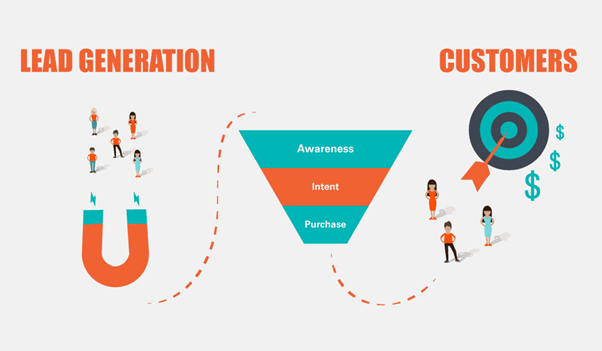
Generating leads is just the first step—the real challenge lies in nurturing them until they’re ready to buy. In Asia, where sales cycles can be longer and more relationship-driven, your funnel needs to be both strategic and patient.
Start by segmenting your leads. Not all prospects are created equal. Use data to sort them based on geography, company size, role, or buying stage. Then tailor your messaging and content accordingly. A CFO in Tokyo won’t respond the same way as a procurement officer in Jakarta.
Email drip campaigns work great here, especially when paired with local language content. Share relevant blog posts, case studies, and testimonials that showcase how your solution solves real problems in similar markets.
Don’t underestimate the power of webinars and live demos. These are incredibly effective for mid-funnel leads who want more detail but aren’t ready to commit. Hosting localized events—even virtual ones—helps keep your brand top-of-mind while adding value to the relationship.
Social media nurturing also plays a role, especially on platforms like LinkedIn. A steady stream of educational and relatable content can gradually build interest and trust.
The goal? Stay helpful, stay visible, and make it easy for your prospects to move closer to a buying decision. With a well-crafted nurturing process, your B2B Lead Generation for Asia efforts won’t just bring in leads—they’ll convert them too.
LinkedIn and Beyond—Choosing the Right Channels in Asia
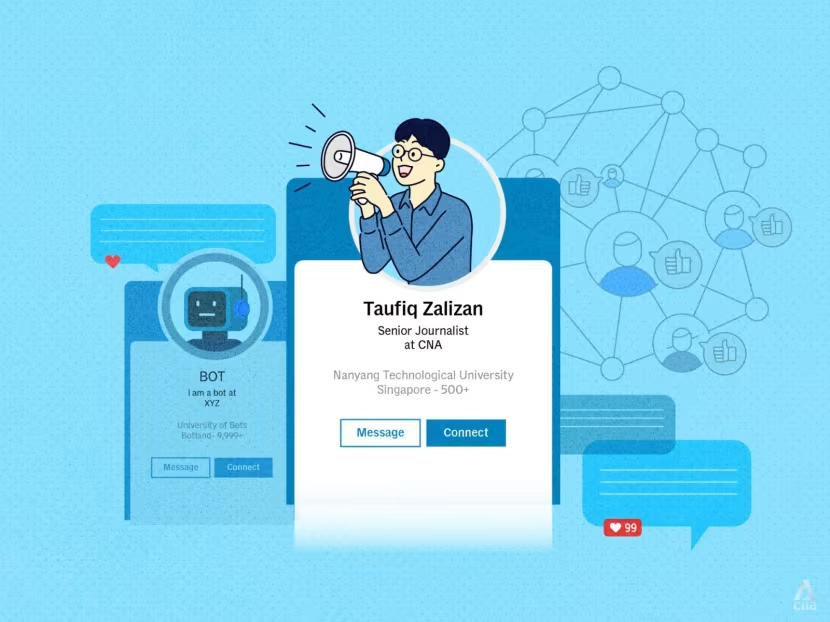
When it comes to B2B, LinkedIn is often the first platform that comes to mind. And yes, it’s a major player in Asia—especially in markets like Singapore, India, and the Philippines. But depending solely on it would mean missing out on a broader set of opportunities.
Let’s break it down.
In countries like Japan, South Korea, and Taiwan, LinkedIn adoption is relatively low. Instead, professionals often engage through platforms like LINE, Naver, or even local forums and associations. This means your outreach and content distribution need to be regionally tailored.
Email marketing still holds strong in Asia, especially when it’s personalized and backed by solid intent data. But here’s the twist: in many Asian markets, messaging apps have become powerful B2B communication tools. WhatsApp, KakaoTalk, and WeChat are increasingly used for nurturing relationships, sharing materials, and even negotiating deals.
If you’re targeting Chinese-speaking markets, don’t overlook WeChat and Baidu advertising. In Southeast Asia, Facebook (yes, even for B2B) plays a bigger role than you might expect, particularly for reaching SME owners and decision-makers.
What this means is clear: successful B2B Lead Generation for Asia isn’t just about picking the most popular platforms globally—it’s about showing up where your audience already spends their time, in the format and tone they prefer.
Data Compliance & Privacy—Navigating Regulations in Asia
Let’s face it—data privacy is no longer optional. With more countries in Asia tightening their data protection laws, lead generation strategies need to be compliant from day one.
Take Singapore’s PDPA (Personal Data Protection Act) for example. It requires organizations to obtain clear consent before collecting or using personal data. Likewise, South Korea enforces some of the strictest data privacy laws in the world, with steep penalties for violations.
In India, the Digital Personal Data Protection Act has recently come into effect, reshaping how companies handle user information. Even in regions without comprehensive laws yet, there’s growing awareness and demand for ethical data handling.
So, what does this mean for your lead gen campaigns?
- Always use opt-in forms with clear messaging.
- Avoid scraping or buying lists—focus on organic lead collection.
- Store data securely and ensure it’s only accessible to authorized personnel.
- Be transparent about how you’ll use the information you collect.
Compliance isn’t just about avoiding fines—it’s about building trust. Businesses are more likely to engage with companies that respect their privacy and follow local laws.
For anyone serious about long-term success in B2B Lead Generation for Asia, making privacy a core part of your strategy is a smart, future-ready move.
Account-Based Marketing (ABM) for the Win
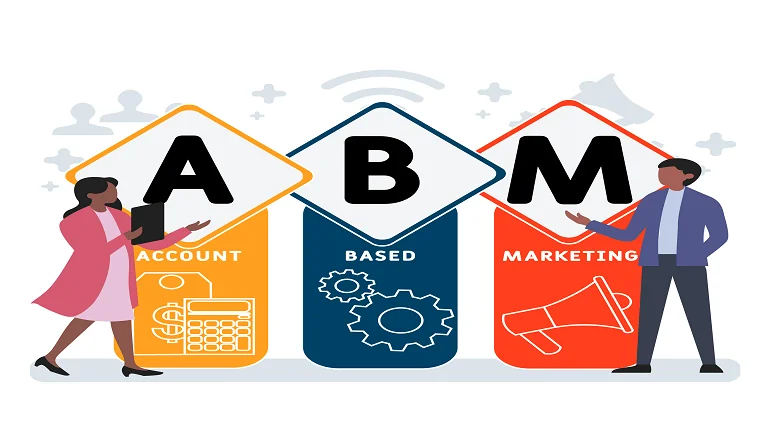
If you’re selling high-ticket B2B products or services in Asia, broad outreach just won’t cut it. That’s where Account-Based Marketing (ABM) comes into play—a laser-focused approach that targets specific companies with personalized content and engagement strategies.
ABM is a perfect fit for Asian markets where purchasing decisions often involve multiple stakeholders and take longer to finalize. It’s about identifying your most valuable prospects, learning their pain points, and crafting bespoke messaging that speaks directly to them.
Start by creating a list of high-value target accounts. Then map out the decision-makers within each company. With tools like LinkedIn Sales Navigator, ZoomInfo, and Clearbit, you can gather valuable insights and build tailored campaigns around their specific needs.
In markets like Japan or Malaysia, where trust is paramount, ABM helps foster long-term relationships by offering relevant solutions instead of pushing a hard sell. Use a mix of tactics—custom emails, direct mail, targeted LinkedIn ads, and even co-branded webinars.
ABM takes more time and resources, sure—but the payoff is bigger deals, stronger relationships, and higher ROI.
It’s a smart tactic for anyone doing B2B Lead Generation for Asia—especially in sectors like SaaS, fintech, logistics, or professional services.
Measuring What Matters—Key Metrics for B2B Lead Generation in Asia
All the effort in the world won’t matter if you’re not measuring the right things. When it comes to B2B lead generation in Asia, success is less about vanity metrics and more about actionable insights.
Here are the metrics that actually matter:
- Lead Quality – Quantity is great, but if your leads aren’t converting, you’re burning time and resources. Focus on engagement rates, company fit, and buying intent.
- Conversion Rate – From initial touchpoint to qualified lead, and from MQL to SQL—track how well your funnel is working at every stage.
- Cost Per Lead (CPL) – Are your campaigns cost-effective? High CPL might be okay for enterprise-level deals, but you need to keep an eye on ROI.
- Time to Conversion – In Asia, the sales cycle can be longer. Tracking how long it takes to close a lead helps in setting realistic benchmarks and optimizing nurturing tactics.
- Channel Performance – Not every platform delivers equal results. Measure which channels bring the best leads and double down on them.
It’s also important to adjust for market differences. A high-performing channel in Thailand might underperform in Korea. Use A/B testing, analyze regional trends, and build reporting dashboards that allow for local nuances.
Whether you’re managing campaigns across Asia-Pacific or targeting one specific region, data-driven optimization is at the heart of effective B2B Lead Generation for Asia.
Kickstart Your Asia Strategy—Checklist for 2026 and Beyond
Ready to build a smarter lead gen strategy for Asia? Let’s wrap it up with a simple checklist to guide your approach in 2026 and beyond:
✅ Understand local business culture – Research buyer behaviors, communication styles, and decision-making dynamics.
✅ Localize content and messaging – Language, tone, and platform preferences matter more than you think.
✅ Build a strong tech stack – Use a blend of global CRM/automation tools and local engagement platforms.
✅ Create region-specific funnels – Tailor your lead nurturing journeys to the unique timelines and preferences of each market.
✅ Prioritize data compliance – Respect privacy laws and be transparent with how you use prospect data.
✅ Embrace ABM for high-value leads – Especially in relationship-first markets where trust-building takes time.
✅ Measure consistently, iterate often – What works in one region might flop in another. Stay agile and data-driven.
✅ Stay ahead of trends – From AI personalization to conversational marketing, keep evolving your approach.
Asia is rich with opportunities, but success won’t come from guesswork or copy-paste strategies. With the right mindset, tools, and local knowledge, your B2B Lead Generation for Asia can unlock serious growth across one of the world’s most exciting regions.
