

In Singapore, B2B buyers are meticulous, discerning, and data-driven. They rarely make impulsive decisions, instead moving through a multi-stage research and approval process. Understanding this journey is the first step toward building a sales funnel that converts. Ignoring local nuances—like regulatory compliance, cultural business etiquette, and multi-stakeholder approval processes—can sabotage even the most sophisticated global sales strategies.
Effective B2B lead generation for Singapore starts with deep insight into who your prospects are, how they research solutions, and what motivates them. Unlike generic funnels, a Singapore-specific approach focuses on building trust early. Case studies from local companies, data-backed content, and references from known industry figures all resonate strongly. A sales funnel designed for Singapore must account for the longer consideration cycle and the layered decision-making that defines B2B sales here.
Every touchpoint matters. From the first LinkedIn ad or webinar registration to follow-up emails, your funnel must speak to authority and reliability. By mastering the buyer journey, you can craft messaging that positions your brand as an essential partner rather than just another vendor. Companies that understand this principle see higher engagement rates, improved lead quality, and measurable growth. Partnering with experts in B2B Lead Generation for Singapore can accelerate this understanding, providing data-driven insights to optimize each funnel stage.

Define Your Ideal Singapore B2B Customer Profile (ICP)
A sales funnel without a well-defined target is a leaky bucket. Defining your Ideal Customer Profile (ICP) is critical for B2B Lead Generation for Singapore. Start by identifying high-value sectors such as fintech, professional services, and tech enterprises, then drill down to decision-maker roles, company size, and pain points. Every content piece, email, and sales call should be tailored to this ICP.
Singapore’s market is highly competitive, and generic campaigns fail to capture attention. By knowing exactly who you’re targeting, you can align messaging to the unique challenges and priorities of your audience. For instance, CFOs in the finance sector value ROI and compliance, while tech founders care about scalability and innovation. Personalized funnels based on this data significantly boost engagement, conversion rates, and the efficiency of your sales team.
Segmenting your ICP allows you to focus resources on high-value prospects rather than casting a wide net. Automated lead scoring, personalized outreach, and retargeting campaigns all become far more effective when built around a detailed ICP. Businesses leveraging targeted strategies in B2B Lead Generation for Singapore consistently outperform competitors relying on generic leads, turning prospects into qualified opportunities faster.

Build a High-Intent Top-of-Funnel Engine
The top-of-funnel (TOFU) is where awareness meets opportunity. To capture high-quality leads in Singapore, companies must go beyond vanity metrics and focus on engagement-driven strategies. This includes thought leadership content, LinkedIn campaigns, webinars, and case studies tailored to local decision-makers. Every piece of content should educate, inform, and establish authority.
B2B Lead Generation for Singapore thrives on relevance. TOFU campaigns must target high-intent prospects with messaging that resonates with their immediate challenges. This is not about chasing volume—it’s about attracting the right audience. By optimizing landing pages, using compelling calls-to-action, and leveraging local industry insights, businesses can generate leads that have a higher probability of converting downstream.
High-quality TOFU content positions your brand as a trusted advisor. This early engagement builds credibility and primes prospects for mid- and bottom-funnel interactions. A strong top-of-funnel strategy ensures that marketing dollars are spent wisely, feeding the funnel with qualified prospects rather than generic contacts. Companies that invest in TOFU campaigns designed for B2B Lead Generation for Singapore consistently see improved pipeline velocity and stronger sales-ready leads.

Nurture Leads with Trust-Driven Mid-Funnel Content
Once you capture leads, the next challenge is nurturing them through a long and often complex consideration cycle. Middle-of-funnel (MOFU) content must build trust and provide tangible value. Whitepapers, case studies, email workflows, and webinars all serve this purpose when tailored for Singapore’s B2B market.
Prospects here need proof that your solutions work in their context. Local testimonials, industry-specific reports, and data-backed insights create credibility. This approach differentiates your brand from competitors relying solely on generic messaging. Email sequences that educate rather than sell help nurture leads effectively, keeping your company top-of-mind until prospects are ready to engage.
Aligning your MOFU strategy with B2B Lead Generation for Singapore principles ensures that every touchpoint adds value. Automated workflows can segment leads by interest, behavior, or industry, providing personalized content that deepens engagement. Companies that fail to nurture properly often see promising leads drop off, losing months of potential revenue. A strategic, trust-driven MOFU stage reduces friction, strengthens relationships, and increases the likelihood of conversion.
Convert Sales-Ready Leads at the Bottom of the Funnel
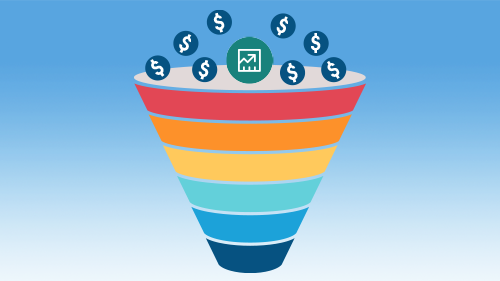
The bottom of the funnel (BOFU) is where deals are won or lost. In Singapore, B2B decision-makers expect detailed proposals, clear ROI justifications, and a seamless buying experience. A strong sales enablement system ensures that your sales team has the right assets—demos, case studies, and comparison guides—to close deals confidently.
The handoff between marketing and sales is crucial. Leads nurtured through a structured funnel are far more likely to convert when sales reps understand their journey, pain points, and interests. Optimized BOFU processes reduce friction, shorten cycles, and increase deal sizes. Using analytics to track lead behavior allows for timely follow-ups and personalized outreach, essential for Singapore’s meticulous B2B buyers.
Incorporating B2B Lead Generation for Singapore expertise at this stage ensures your sales team is armed with the intelligence needed to close effectively. By combining personalized engagement, strong proof points, and streamlined processes, companies can transform nurtured leads into loyal, revenue-generating clients.
Automate and Scale Your B2B Sales Funnel
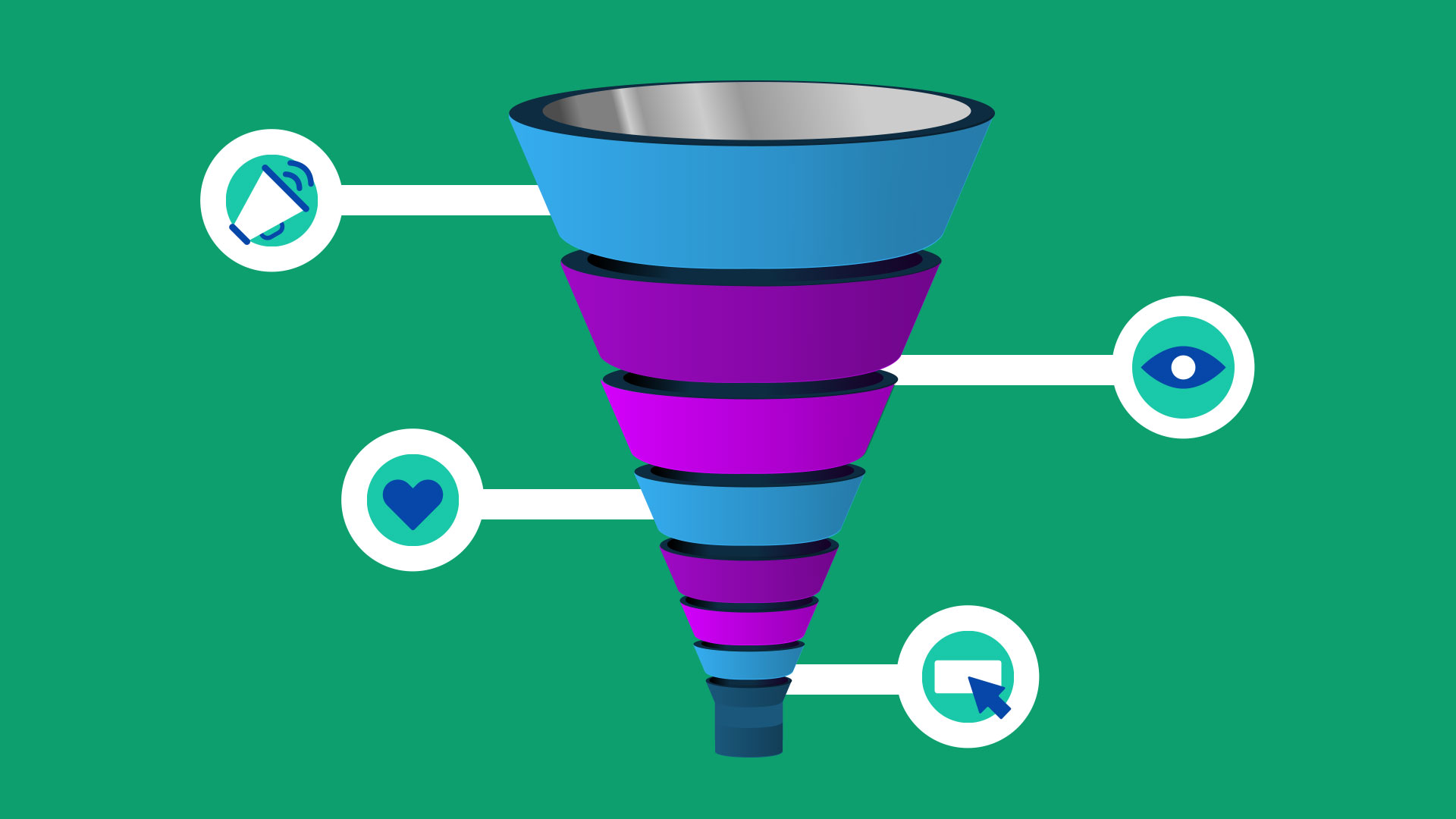
Manual processes limit growth. Automation is critical for scaling a B2B sales funnel without losing quality. From CRM integration to email workflows, lead scoring, and retargeting, automation ensures no lead falls through the cracks.
For Singapore’s market, automation must be precise and context-aware. Generic sequences can alienate high-value prospects. Instead, tailor automated campaigns to ICP segments, engagement patterns, and industry-specific triggers. Marketing and sales alignment becomes easier when everyone has visibility into the pipeline, improving conversion predictability.
Scaling with automation allows your team to focus on strategic engagement while technology handles repetitive tasks. Companies leveraging B2B Lead Generation for Singapore often see exponential growth in qualified leads without increasing headcount. The result is a sales funnel that not only converts but continuously adapts to market dynamics, ensuring sustainable success.
Conclusion
A sales funnel is only as effective as its ability to evolve. Measuring key performance indicators—like lead-to-opportunity conversion, cost per lead, and sales cycle duration—provides insight into bottlenecks. Data-driven optimization ensures each stage performs at peak efficiency.
Singapore B2B markets are competitive, and stagnation leads to lost opportunities. Testing messaging, content formats, and channel strategies allows for incremental improvements that compound over time. Partnering with experts in B2B Lead Generation for Singapore helps identify weaknesses and implement best-in-class strategies quickly.
Continuous improvement isn’t optional—it’s essential. By combining measurement, strategic tweaks, and market insight, companies can maintain high conversion rates and adapt to evolving buyer behavior. A funnel built for conversion today becomes a growth engine for tomorrow, generating a steady stream of qualified leads and scalable revenue.


