

Singapore is not just diverse; it’s a linguistic labyrinth. With English, Mandarin, Malay, and Tamil woven into daily life, businesses face a constant challenge: how to reach multiple audiences without losing clarity, tone, or cultural nuance. Companies can no longer rely on a one-size-fits-all approach. Multilingual content is no longer optional; it’s essential for brand relevance. This is where AI Content Generation Singapore becomes a game-changer. By leveraging AI, businesses can rapidly produce content across languages, maintain brand consistency, and engage audiences in their preferred language without the overhead of hiring large translation teams. The agility this provides allows companies to pivot campaigns in real-time, meet evolving customer expectations, and enter new markets without friction. For Singaporean businesses, mastering multilingual content is now synonymous with mastering customer reach—and AI is the tool making it achievable at scale.

Beyond Translation: AI Delivers True Localization
Traditional translation falls short when cultural context and tone matter. AI-driven content localization goes further, capturing idioms, sentiment, and audience-specific nuances. AI Content Generation Singapore platforms can produce content that reads naturally to a local audience while preserving a brand’s voice. The advantage is twofold: speed and precision. Human translators alone are slower and costlier; AI handles the bulk of the work, while experts fine-tune the output. This hybrid workflow allows companies to maintain quality without sacrificing efficiency. In a competitive market like Singapore, where every word counts, using AI for localization ensures campaigns resonate with all segments, whether targeting Mandarin-speaking millennials or English-speaking professionals. The outcome isn’t just translated content—it’s strategically adapted messaging that drives engagement and conversion.
Scaling Social Media Across Languages
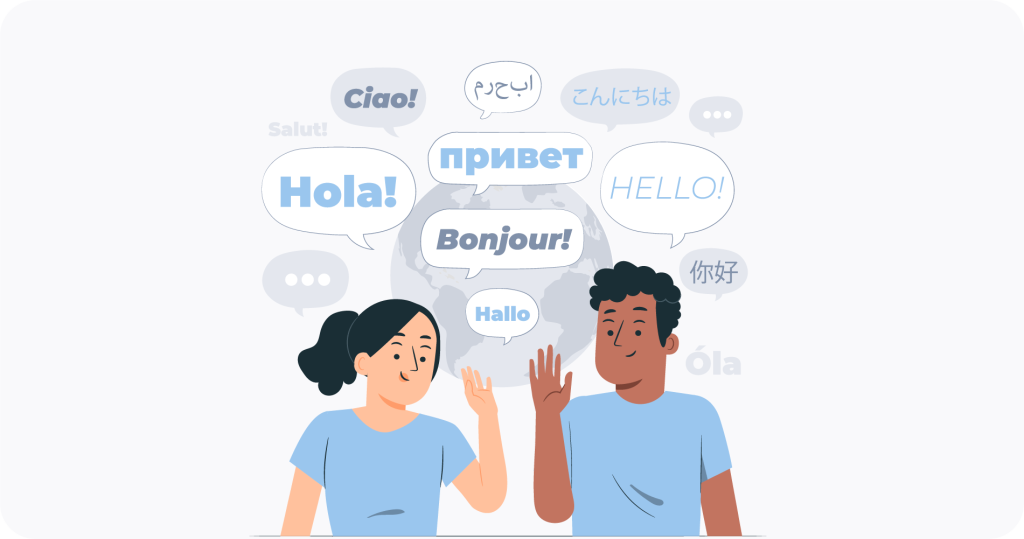
Social media campaigns are no longer just posts—they’re a strategic tool for audience segmentation. Brands must craft content that speaks directly to different language groups, often across multiple platforms simultaneously. AI Content Generation Singapore enables companies to scale this process. AI can generate multilingual captions, optimize hashtags for local search behavior, and schedule posts for multiple regions in one workflow. For instance, a campaign in Mandarin can maintain the original message’s impact while aligning with local cultural references, while English posts target a separate audience without overlap. Businesses like these can maintain a strong presence on Instagram, LinkedIn, and TikTok without the overhead of manually creating and translating each post. The ability to operate at speed and scale gives Singaporean brands a competitive edge in social media engagement.
Multilingual SEO: Expanding Digital Reach
Search behavior differs by language, and targeting only English searches limits visibility. AI Content Generation Singapore tools allow businesses to generate SEO-optimized content across languages, tailoring keywords, meta descriptions, and blog structures to each audience. AI can cluster multilingual keywords, suggest topic variations, and maintain a consistent brand voice. This ensures that Mandarin, Malay, and Tamil-speaking users find content relevant to them. Businesses no longer need to manually produce duplicate pages in every language. With AI-driven multilingual SEO, companies can expand reach, increase organic traffic, and maintain high engagement across all language segments. In a multilingual market like Singapore, optimizing search in multiple languages is no longer optional—it’s a necessity for sustainable growth.

AI Voice and Video: Bridging the Language Gap
Video content is a primary engagement driver, but multilingual adaptation has historically been resource-intensive. AI Content Generation Singapore solves this problem by automating voiceovers, subtitles, and even lip-sync dubbing in multiple languages. Companies can run webinars, product demos, and ad campaigns simultaneously in English, Mandarin, Malay, and Tamil without adding extra production time. AI ensures that tone and intent are preserved, allowing brands to maintain authenticity while reaching diverse audiences. This capability enables rapid rollout of campaigns and consistency across formats, creating a cohesive brand experience that resonates with every language segment.

Personalization at Scale with AI
Language preference is just one dimension of personalization. AI Content Generation Singapore empowers businesses to deliver tailored experiences across websites, emails, and chat interfaces. AI can dynamically adapt messaging to the user’s preferred language, segment audiences for targeted campaigns, and automate multilingual chatbot interactions. The result is a seamless, localized customer journey that maintains a consistent brand voice, even when engaging thousands of users simultaneously. Personalization powered by AI is no longer a luxury; it’s the standard for businesses competing in Singapore’s highly diverse market.
Conclusion
Companies that leverage AI for multilingual content gain a measurable advantage: faster campaign rollout, reduced costs, and higher engagement. By producing content that resonates culturally and linguistically, brands strengthen trust and loyalty among audiences. AI Content Generation Singapore doesn’t just translate—it amplifies impact, allowing Singaporean businesses to compete efficiently across multiple demographics. In today’s market, multilingual AI content isn’t just a tool—it’s a strategic asset that differentiates leaders from laggards. Brands embracing this approach are not only meeting customer expectations—they’re shaping the future of content marketing in Singapore.


