

Singapore’s B2B market is one of the most competitive in Asia. Decision-makers are informed, cautious, and overwhelmed with options. You can drive traffic, run ads, publish content—and still struggle to convert. This is where most companies get stuck. The problem isn’t visibility; it’s conversion efficiency. Long buying cycles, multiple stakeholders, and risk-averse corporate culture mean every lead must be nurtured precisely, not chased blindly.
This is why B2B Lead Generation for Singapore cannot rely on outdated, manual tactics. Spreadsheets, cold follow-ups, and generic email blasts collapse under the weight of modern buyer behavior. Buyers expect relevance, timing, and credibility—instantly. If your marketing and sales teams are disconnected, you bleed opportunities silently.
Marketing automation steps in as a force multiplier. It doesn’t replace strategy; it enforces discipline. It ensures no lead is ignored, no opportunity is mistimed, and no prospect is treated like a stranger after raising their hand. For companies serious about B2B Lead Generation for Singapore, automation isn’t a tool—it’s infrastructure.
In a market where competitors react fast and buyers move cautiously, speed without precision is useless. Automation gives you both. And in Singapore’s B2B landscape, that combination separates scalable growth from constant frustration.
Marketing Automation Is Not Software—It’s a Revenue System
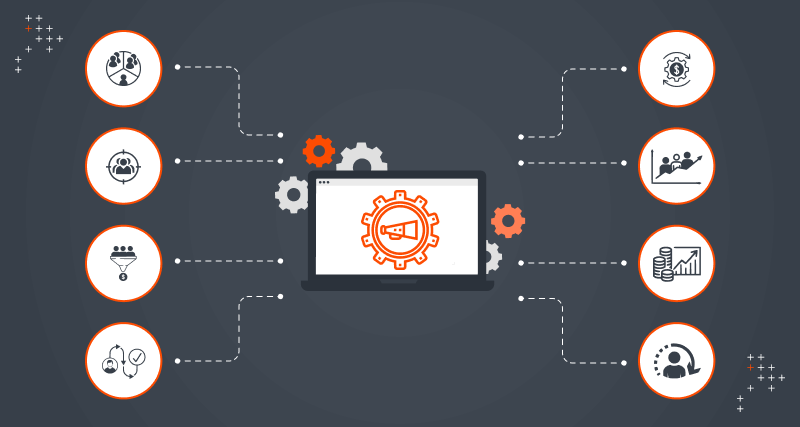
Too many businesses think marketing automation is just email scheduling or CRM tagging. That misconception kills ROI before implementation even starts. Real marketing automation is a connected system that tracks behavior, scores intent, triggers actions, and aligns sales follow-ups in real time. It’s how serious players operationalize B2B Lead Generation for Singapore at scale.
At its core, automation integrates CRM data, website activity, email engagement, paid media, chat interactions, and sales actions into one feedback loop. When a prospect downloads a whitepaper, revisits a pricing page, or engages on LinkedIn, the system reacts instantly. Leads are segmented, nurtured, or escalated—without waiting for human intervention.
This matters in Singapore because buyers move quietly. They research deeply before speaking to sales. Automation surfaces intent signals that humans miss. It tells your team who is warm, who is cold, and who is pretending to be interested. For B2B Lead Generation for Singapore, this clarity is everything.
Without automation, marketing creates noise and sales chases shadows. With automation, both teams operate from the same truth. That’s how pipelines become predictable. That’s how conversion rates rise without increasing ad spend. And that’s why automation isn’t optional anymore—it’s the backbone of modern B2B growth.
Better Leads, Shorter Sales Cycles, Fewer Wasted Conversations
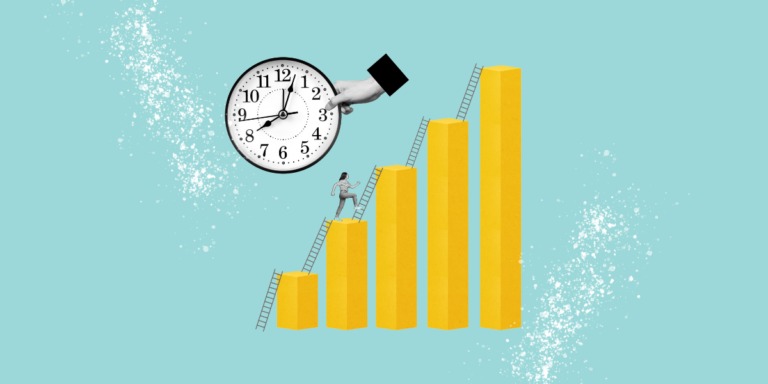
Not all leads deserve a sales call. That’s a hard truth many teams avoid. Marketing automation fixes this by enforcing lead quality through data, not opinion. Using behavioral scoring, engagement tracking, and AI-driven segmentation, automation identifies which prospects are sales-ready—and which are not.
For B2B Lead Generation for Singapore, this is critical. Enterprise buyers may take weeks or months to convert. Automation nurtures them patiently with relevant content, reminders, and case studies while filtering out low-intent contacts early. Sales teams stop wasting time on tire-kickers and focus on accounts that matter.
This alignment shortens sales cycles dramatically. When sales finally engages, the prospect is already educated, warmed up, and aligned with the solution. Conversations shift from “What do you do?” to “How fast can we implement?” That’s the difference between manual follow-ups and automated intelligence.
Automation also ensures consistency. No lead falls through the cracks. No follow-up is forgotten. No opportunity dies quietly due to human delay. For companies investing in B2B Lead Generation for Singapore, this reliability turns marketing from a cost center into a revenue engine.

Tools That Power High-Converting Singapore B2B Funnels
High-performing B2B companies in Singapore don’t rely on one tool—they build a stack. CRM platforms integrated with marketing automation systems form the foundation. On top of that sit AI chatbots, email automation, LinkedIn outreach tools, and analytics dashboards. Each tool plays a role in strengthening B2B Lead Generation for Singapore.
AI chatbots handle first-touch qualification 24/7. Email automation delivers personalized nurturing at scale. LinkedIn automation supports targeted outreach without spamming. Analytics tools track attribution so decision-makers know what actually drives revenue—not just clicks.
The real power lies in integration. When tools talk to each other, data becomes actionable. When they don’t, automation becomes chaos. Singapore B2B companies that win focus on systems, not shiny features. They choose tools that support compliance, data privacy, and enterprise-grade reporting—because trust matters here.
Used correctly, these tools don’t just automate marketing; they enforce discipline. And discipline is what turns B2B Lead Generation for Singapore into predictable growth instead of random wins.

Real Singapore Use Cases: Automation That Converts, Not Just Impresses
Across Singapore, automation is transforming how B2B companies sell. SaaS firms use it to onboard leads faster. Professional services firms use it to nurture trust before consultations. Manufacturing and logistics companies use it to educate buyers across long procurement cycles.
In every case, the goal is the same: convert intent into action without friction. Automation ensures follow-ups happen on time, content matches buyer stage, and sales engages only when value is clear. That’s why B2B Lead Generation for Singapore works best when automation supports—not replaces—human expertise.
Local compliance matters too. Data handling, reporting standards, and stakeholder transparency are non-negotiable. Automation platforms configured for Singapore’s regulatory environment protect both brand reputation and buyer trust.
The lesson is simple: automation doesn’t close deals. It creates the conditions where deals close faster, cleaner, and more consistently.

Automation Without Soul Fails—Personalization Is Non-Negotiable
Automation done wrong feels robotic. Automation done right feels invisible. The difference is personalization. Singapore B2B buyers expect relevance, not mass messaging. Automation must enhance personalization, not erase it.
Dynamic content, AI-driven recommendations, and behavior-based triggers allow personalization at scale. Prospects receive messages that match their industry, role, and intent—without manual effort. For B2B Lead Generation for Singapore, this balance is crucial.
Common mistakes include over-automation, generic messaging, and ignoring sales feedback. The best systems evolve continuously, learning from real-world interactions. Automation should amplify human judgment, not override it.
When personalization is respected, automation becomes an advantage competitors can’t easily copy.
Conclusion
Marketing automation only matters if it drives revenue. Metrics like conversion rate, deal velocity, and pipeline value tell the real story. Companies serious about B2B Lead Generation for Singapore track these relentlessly.
Scaling automation across the full buyer journey—from awareness to renewal—creates compounding returns. But success requires strategy, setup, and continuous optimization. This is why many businesses partner with agencies that understand Singapore’s B2B landscape deeply.
Automation is not a shortcut. It’s leverage. And when used correctly, it turns complexity into clarity—and effort into results.


