

Across Asia, B2B marketing is undergoing a massive evolution. As Artificial Intelligence continues to power automation, targeting, and analytics, human creativity and relationship-building still play a crucial role. The sweet spot? A powerful synergy between the two. This article explores how the fusion of AI and human strategy is unlocking the next level of B2B lead generation—especially in dynamic markets like Singapore.

The Changing Landscape of B2B Marketing in Asia
Over the past decade, Asia has rapidly become a hotspot for digital innovation—and B2B marketing is no exception. As regional economies mature and competition intensifies, companies can no longer rely solely on traditional sales approaches. Cold calls and trade shows are giving way to data-driven campaigns, predictive analytics, and personalized customer journeys.
What’s unique about Asia is its diverse mix of cultures, languages, and market behaviors. What works in Singapore might not work in Vietnam or Japan. This diversity makes it essential for businesses to tailor their lead generation efforts while maintaining scalability. AI tools help with the heavy lifting—crunching numbers, predicting buyer intent, and automating outreach—but it’s still the human touch that builds trust and closes deals.
Whether it’s a local SaaS startup or a regional logistics company, the future of B2B lead generation in Asia lies in integrating technology with authentic human interaction. Businesses that strike this balance are already seeing stronger pipelines, higher engagement rates, and faster conversions.
Why AI Alone Isn’t the Magic Bullet
There’s no denying that AI is revolutionizing how we approach B2B marketing. From chatbots to predictive analytics, it helps businesses scale faster and make smarter decisions. But here’s the catch—AI isn’t perfect, and it can’t replace human intuition.
AI can tell you when a lead is most likely to engage. It can predict behavior, segment audiences, and personalize emails. But it doesn’t understand nuance the way a skilled sales rep does. It doesn’t recognize the tone of a hesitant buyer or pick up on the subtleties of regional business etiquette.
In Asia, where relationships often drive business decisions, human interaction plays a crucial role. A LinkedIn message might open the door, but a face-to-face meeting—or even a well-timed video call—still carries immense value.
So rather than seeing AI as a replacement, think of it as a force multiplier. Let it handle the repetitive tasks and heavy data lifting. Free up your team to focus on relationship-building, strategy, and delivering tailored solutions.
This balance isn’t just a trend—it’s becoming a standard. The companies that lean too heavily on automation often miss the mark when it comes to trust and authenticity. The winners will be those that use AI smartly while doubling down on human strengths.

Case Study: How Singapore is Leading the Way
If there’s one country in Asia that’s truly embracing this AI-meets-human strategy, it’s Singapore. With its pro-tech policies, strong digital infrastructure, and highly competitive B2B space, it has become a model for what modern lead generation can look like.
Businesses here are tapping into data analytics platforms, CRM integrations, and marketing automation tools to streamline their outreach. But they’re also investing in upskilling their teams—salespeople who understand both the tech stack and the cultural nuances of regional buyers.
Take, for example, a mid-sized fintech firm in Singapore. They use AI to qualify leads based on behavior signals from webinars, website visits, and email engagement. But instead of blasting everyone with automated messages, they pass the warm leads to trained sales reps who follow up with tailored conversations. The result? A significant bump in conversion rates and shorter sales cycles.
For companies targeting this region, working with a partner who understands B2B Lead Generation for Singapore can make all the difference. Singapore’s ecosystem is fast-moving, so it’s critical to pair speed and scale (AI) with precision and personalization (human).
How AI Enhances, Not Replaces, the Sales Process
Think of AI as your best assistant—one that never sleeps and processes massive amounts of data in real time. It can score leads based on behavioral triggers, recommend the next best action, and even help write personalized subject lines. But the real magic happens when your sales team uses those insights to drive smarter conversations.
Let’s say you’re selling enterprise software. AI can identify which companies are actively researching similar solutions, what topics they’re engaging with, and how long they’re spending on your pricing page. With that info, your team knows exactly who to reach out to, when, and with what message.
It’s like walking into a sales meeting already knowing what the prospect cares about.
That said, AI still needs a human hand to guide it. Your marketing team needs to define what qualifies as a good lead. Your sales reps need to interpret the data and act with empathy and relevance. When these two worlds come together—data and intuition—you’ve got a winning formula.
Instead of fearing that AI will replace jobs, B2B teams should be focused on how to work with AI. Those who embrace it not only boost productivity but also gain a serious competitive edge in their industry.

Cultural Intelligence: The Human Advantage in Asian Markets
If there’s one thing AI can’t replicate, it’s cultural intelligence—and that matters a lot in Asia. In this part of the world, relationships, hierarchy, and communication styles vary drastically from one market to another. Understanding these subtleties is where human expertise shines.
In Japan, formality and trust are paramount. In Indonesia, face-to-face rapport often trumps digital efficiency. In India, quick follow-ups and agility might win over a client. These aren’t things you can teach a machine. But a culturally aware sales team? They navigate these nuances with ease.
That’s why successful B2B lead generation in Asia isn’t just about automating emails or running ads—it’s about tailoring your approach market by market. AI can support this with localized content, language translation, and behavior analytics. But it’s the human reps who ask the right questions, understand objections, and guide prospects through the decision-making process with empathy.
Companies that want to expand their reach across Asia must invest in both smart technology and cross-cultural training. The better your team understands the people they’re selling to, the more likely they are to turn leads into long-term partners.
Hyper-Personalization: Where AI Meets Buyer Intent
We’ve entered the age of hyper-personalization. Gone are the days when sending the same pitch to 100 leads could yield decent results. Today’s buyers—especially in Asia’s digitally advanced markets—expect messages that speak directly to their unique challenges and needs.
AI enables this on a scale we could only dream of a few years ago. By analyzing behavioral data, content consumption, and even social media activity, AI tools can segment audiences with laser precision. It can trigger personalized outreach based on real-time actions: downloading a whitepaper, attending a webinar, or visiting your pricing page.
But personalization isn’t just about using a prospect’s name in an email. It’s about showing you understand their business context. This is where human touch becomes critical. AI might know what a lead clicked on, but only a skilled rep can craft a meaningful conversation around why that matters and how your solution fits.
For companies focused on B2B Lead Generation for Singapore, where buyers are tech-savvy and decision cycles are often fast, this blend of automation and empathy gives a clear competitive advantage. When leads feel like you “get” them from the start, they’re far more likely to trust and engage with your brand.
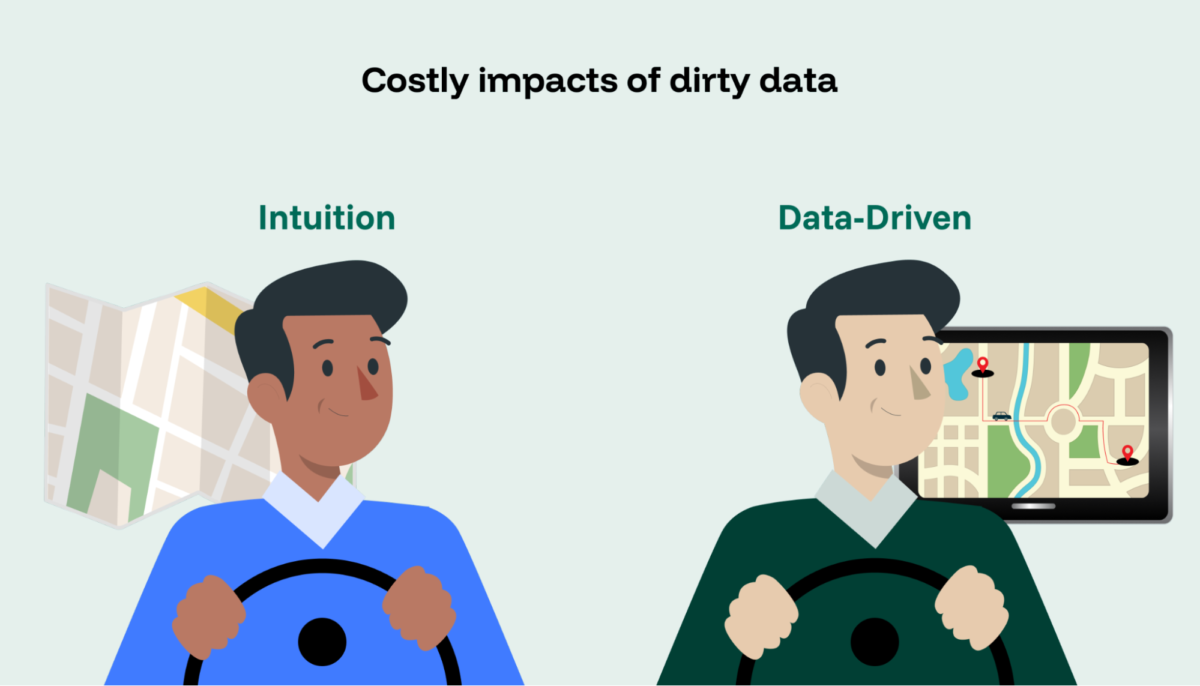
Data-Driven Decision Making: The New Sales Superpower
In today’s B2B landscape, every decision should be backed by data—and AI makes that possible in ways never before imagined. From understanding what content generates the most leads to knowing which channels deliver the highest ROI, sales and marketing teams are becoming more analytical than ever.
With advanced AI analytics tools, companies can now:
- Track lead behavior across touchpoints
- Score leads automatically based on engagement
- Forecast deal closures with higher accuracy
- Identify patterns in buyer journeys
- Optimize campaign performance in real time
But again, data is only as powerful as the people interpreting it. While AI handles the analysis, human strategy is what drives decisions forward. Teams need to dig into the “why” behind the numbers. Why did a certain campaign fail? Why are leads from one sector converting faster than others?
In Asia, where markets shift quickly and competition is fierce, being able to pivot based on real-time insights is essential. The businesses that succeed aren’t just collecting data—they’re using it to shape smarter, faster, and more effective lead generation strategies.
AI-Powered Tools Every B2B Marketer Should Know
The toolkit for modern B2B lead generation has expanded dramatically thanks to AI. Whether you’re a lean startup or a large enterprise, the right tools can help you generate leads faster, nurture them better, and convert more efficiently.
Here are a few AI-driven tools that are making waves in the industry:
- HubSpot and Salesforce Einstein – For intelligent CRM and lead scoring.
- Drift and Intercom – AI chatbots that qualify leads in real time.
- ZoomInfo – For data enrichment and targeted prospecting.
- Seventh Sense – Optimizes email send times based on individual behaviors.
- Leadfeeder – Reveals companies visiting your site, even if they don’t fill out a form.
However, tools alone won’t bring you results. The real value comes from how you use them. AI can serve up warm leads, automate follow-ups, and give you all the insights you need. But it’s the human touch—your team’s messaging, timing, and engagement—that ultimately closes the deal.
Especially for regions like Singapore, where businesses demand speed and precision, combining smart tech with smart people is non-negotiable. If you’re exploring options for B2B Lead Generation for Singapore, using these tools with the right strategy is key.

Scaling Across Borders with AI and Local Expertise
Expanding your B2B presence across Asia is an exciting opportunity—but also a complex one. Each market comes with its own rules, languages, buyer behavior, and decision-making structures. That’s where the combination of AI scalability and local human insight becomes a game-changer.
AI can help businesses scale campaigns across borders quickly. It can translate content, adapt messaging, and track engagement in multiple countries simultaneously. It identifies trends—like which regions are showing increased interest in your product—and helps allocate resources accordingly.
But even the best AI can’t tell you how to handle a business lunch in Seoul or what follow-up etiquette works best in Bangkok. That’s where local teams—or at least advisors with regional knowledge—are crucial.
For example, if you’re targeting B2B buyers in both Singapore and Malaysia, your AI tool might group them together due to geographic proximity. But human insight will recognize the differences in communication styles, pricing sensitivity, and buyer journey length.
This dual approach allows companies to scale smartly without losing the personalization that buyers expect. Think global strategy, local execution. And if you’re serious about expanding your lead pipeline in Asia, that’s the approach that’ll keep you one step ahead.
What the Future Holds: The Next Chapter in B2B Lead Generation
Looking ahead, the line between AI and human-led B2B marketing will only become more blurred—and that’s a good thing. The future isn’t AI vs humans. It’s AI with humans.
In the next 3–5 years, we’ll likely see:
- Greater adoption of predictive analytics in B2B strategies
- More AI-assisted content creation and personalization
- Deeper integration between sales and marketing platforms
- Increased use of conversational AI for mid-funnel engagement
- Continued demand for authentic, relationship-based selling
Asian businesses, especially in innovation hubs like Singapore, are poised to lead this evolution. Companies that invest now in the right AI tools and human capabilities will be the ones dominating their sectors in the years to come.
If your business is exploring new ways to enhance B2B Lead Generation for Singapore or across the Asian region, remember this: technology gets you noticed, but people build trust.
The smartest B2B marketers aren’t choosing between AI and human connection—they’re choosing both.
🔚 Wrapping It All Up
To thrive in Asia’s competitive B2B landscape, businesses need to stop thinking in either/or terms. AI and human expertise are not mutually exclusive—they’re complementary forces that, when aligned, can drive powerful results. From Singapore to Tokyo, Bangkok to Bangalore, the future belongs to teams that know how to automate the process but personalize the journey.
Ready to step up your B2B lead generation game? Leverage AI where it counts, but never underestimate the power of a genuine, human connection.


