

Singaporean businesses are adopting AI at an unprecedented pace, seeking speed, efficiency, and scale in content production. AI Content Generation Singapore has transformed how marketing, PR, and corporate communications operate, but ethical considerations are lagging behind the technology. Automation promises faster content pipelines, yet it also raises questions about authenticity, credibility, and accountability. In a market like Singapore, where trust is a cornerstone of consumer relationships, relying purely on AI can risk eroding brand integrity. Companies that chase volume over quality might find themselves generating content that reads like a faceless algorithm rather than a human voice. Ethical practice demands a balance: leveraging AI’s efficiency while maintaining human oversight. Organizations embracing AI Content Generation Singapore responsibly are gaining an edge, as audiences increasingly value transparency and thoughtful engagement over generic mass-produced messaging. The ethical conversation is no longer theoretical — it’s a strategic imperative.

Transparency Is Non-Negotiable: Disclosing AI Use
Consumers have the right to know when content is AI-generated. In Singapore, where corporate reputation is tightly guarded, undisclosed automation can backfire, undermining trust and credibility. By integrating AI Content Generation Singapore into workflows, brands face a choice: conceal or disclose. Transparency is not a weakness; it signals confidence and integrity. Emerging policies suggest that labeling AI-generated content, whether in social media, blogs, or newsletters, should become standard practice. Companies leveraging AI Content Generation Singapore with clear disclosure are better positioned to navigate ethical scrutiny, build long-term audience trust, and differentiate themselves from competitors who prioritize speed over responsibility. Ethical disclosure is a simple yet profound act that signals the brand respects both the content and its audience.

Authenticity vs Automation: Preserving Your Brand Voice
One of the greatest risks of AI is the erosion of a brand’s unique voice. Generic output from AI Content Generation Singapore can dilute identity, making brands indistinguishable in a crowded market. Singaporean consumers are savvy; they notice when messages feel hollow or inauthentic. Responsible companies use AI as a strategic tool, combining human creativity with automated efficiency. Editors and content strategists are essential in reviewing AI outputs, ensuring every piece aligns with brand values, tone, and audience expectations. By embracing AI Content Generation Singapore thoughtfully, brands can achieve the dual goals of scale and authenticity, turning AI from a potential liability into a competitive asset.
Copyright, Ownership, and Intellectual Property
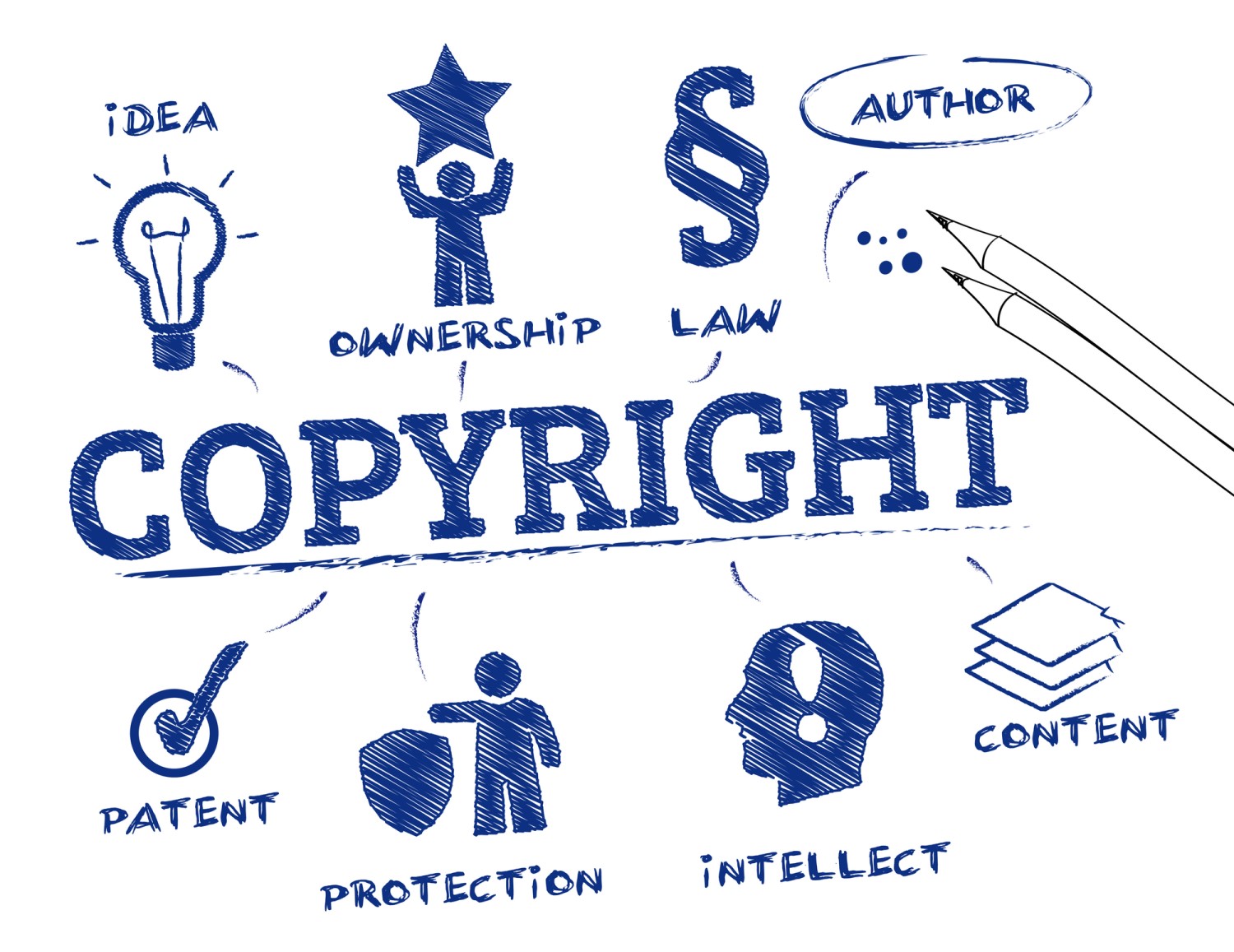
Legal ambiguity surrounds AI-generated content, particularly regarding ownership and copyright. Companies using AI Content Generation Singapore must address questions about who holds rights to outputs and whether training data may contain copyrighted material. Plagiarism risks are real if AI tools draw heavily from existing work without proper attribution. Singapore’s legal framework is evolving, but proactive governance remains essential. Establishing internal IP guidelines, using licensed data sets, and reviewing AI outputs for originality protects brands from legal repercussions. Ethical AI adoption involves more than efficiency — it’s about respecting intellectual property while leveraging AI Content Generation Singapore responsibly.
Avoiding Bias and Cultural Insensitivity
AI can reflect and amplify biases present in its training data. For Singapore, a multicultural society, this risk is heightened. Missteps can alienate communities or spread misinformation, damaging reputations. Businesses using AI Content Generation Singapore must implement editorial checks and cultural sensitivity reviews to ensure accuracy and inclusivity. Human oversight is essential to catch nuances AI may miss, from language subtleties to social context. Ethical AI is not just about fact-checking; it’s about respecting diversity and promoting responsible communication. Brands that treat AI Content Generation Singapore as a partner, rather than a replacement, will maintain credibility while expanding output responsibly.

Human Writers vs AI: Navigating Workforce Ethics
The rise of AI Content Generation Singapore has sparked anxiety among human writers. Ethical adoption does not mean replacing talent; it means redefining roles. Writers evolve into editors, strategists, and AI supervisors, guiding automated tools rather than being sidelined by them. Companies must strike a balance between productivity and human creativity, ensuring staff are reskilled and empowered. Singapore’s workforce thrives on innovation coupled with integrity. When used responsibly, AI Content Generation Singapore enhances human capability instead of threatening livelihoods, creating a hybrid ecosystem where ethics and efficiency coexist.
Conclusion
Sustainable adoption of AI Content Generation Singapore requires a structured ethical framework. Clear guidelines for content creation, human review, transparency, and cultural sensitivity are critical. Fact-checking and editorial oversight must be mandatory, with robust policies on IP, disclosure, and accountability. Brands that institutionalize ethical AI practices protect their reputation, mitigate risks, and deliver content that resonates authentically. In Singapore’s competitive and trust-driven market, ethical AI adoption is not just moral — it’s strategic. By implementing AI Content Generation Singapore responsibly, organizations can scale content, engage audiences meaningfully, and cement their position as thoughtful leaders in a rapidly evolving digital landscape.


