
Let’s face it—Asia isn’t just a region; it’s a mosaic of cultures, languages, economies, and buying behaviors. Trying to run a generic lead generation campaign here is like using a Swiss army knife to cut down a tree. Sure, you might get somewhere, but not without frustration and wasted effort.
What makes B2B lead generation for Asia so unique is the balance between tradition and innovation. While Singapore might be driving decisions through digital platforms like LinkedIn and Zoom, markets like Vietnam or Thailand may still lean heavily on referrals and relationship-building.
To generate real traction in Asia, your strategies need to respect local customs while leveraging the latest tech. That means understanding decision-making hierarchies, legal compliance like PDPA or India’s DPDP Act, and the platforms that local professionals actually use.
So if you’re looking to scale your outreach in the world’s most populous and digitally active region, you’re in the right place.
👉 Start with research. Continue with relevance. Execute with respect. Let’s dive in.

Know Your Audience: Segmenting Asian Markets for Real Results
Here’s the thing: lumping all Asian markets together is a rookie move.
Asia includes highly developed economies like Japan and South Korea, emerging powerhouses like Vietnam and the Philippines, and tech hubs like India and Singapore. The expectations, digital habits, and even working hours vary drastically.
Before launching any campaign, break down your audience into actionable segments:
- By Country or Region: Southeast Asia vs. East Asia vs. South Asia
- By Industry: Manufacturing in China vs. Fintech in Singapore
- By Company Size: SMBs in India vs. Enterprises in Japan
- By Buyer Persona: C-suite vs. tech decision-makers vs. procurement heads
Once segmented, tailor your messaging. For instance, Japanese business culture values politeness and hierarchy, while Indian professionals respond well to confident, results-driven language.
This segmentation helps avoid costly mistakes and wasted ad spend. Remember, personalization at scale is the secret weapon of top-performing B2B campaigns.
Build Trust Before You Sell: Relationship-Driven Selling in Asia
In much of the Western world, B2B sales can happen quickly—get a meeting, pitch your value, and close the deal. In Asia, not so fast.
Trust is everything.
Asian professionals often value long-term relationships over quick wins. This means your lead generation process should focus on warming up prospects instead of going straight for the sale.
Here’s how to do it:
- Start with valuable content: Offer insights, not just offers. Think reports, whitepapers, and webinars that solve a local problem.
- Leverage introductions: Referrals or even LinkedIn connections carry more weight than cold emails.
- Be consistent: One-time outreach rarely works. Show up regularly—on email, social media, or in person if you can.
When your prospect sees that you’re committed, knowledgeable, and respectful of their business culture, they’re far more likely to engage—and eventually convert.

Localize Everything: Language, Culture, and Content
Let’s not sugarcoat it—localization isn’t optional in Asia; it’s mission-critical.
You could have the best offer in the world, but if your prospect in Japan receives an English-only PDF filled with Western idioms, you’ve just wasted a golden opportunity.
Localization goes beyond translation. It’s about making your content and messaging feel native:
- Language: Hire local translators or use regional dialects when needed (e.g., Simplified Chinese for China, Traditional for Taiwan).
- Design: Make sure colors, images, and even layout preferences align with local tastes.
- Cultural Relevance: Avoid references or humor that may be misunderstood—or worse, offensive.
And don’t forget about mobile optimization. In many Asian markets, mobile is the primary way professionals interact with content.
Pro tip: Collaborate with local marketers or agencies who understand the nuance. This will save you time, money, and face.
Choose the Right Channels: LinkedIn, WeChat, Line, and More
Not all B2B platforms are created equal—especially in Asia.
Sure, LinkedIn is king in places like Singapore, India, and Hong Kong. But try using it in mainland China, and you’ll hear crickets. Each market has its go-to tools, and knowing where your audience spends time is half the battle.
Here’s a breakdown:
- China: WeChat, Baidu, and Zhihu (LinkedIn is banned)
- Japan: Line, Facebook, and business-specific email outreach
- India: LinkedIn, WhatsApp Business, email, and local trade events
- Southeast Asia: Facebook, Instagram, and LinkedIn hybrids
Use these platforms not just for outreach, but also for thought leadership, retargeting ads, and community-building.
Also, invest in CRM systems and automation tools that support multi-language workflows. This ensures you’re not just present, but present in the right way.
Want help crafting a campaign that clicks with the right audience? Check out this trusted B2B lead generation for Asia solution.

Content is Still King—But Make It Work for Asia
There’s no getting around it: content drives B2B lead generation, and Asia is no exception. But here’s the catch—you’ve got to adapt your content strategy to the region.
What works in New York might flop in Seoul. That 20-page whitepaper? Maybe not ideal for busy decision-makers in Jakarta. Here’s how to rethink your content for Asia:
- Short-form vs. Long-form: Busy executives in Asia often prefer digestible insights—think 3-minute videos, executive summaries, or carousels.
- Educational over Promotional: Focus on solving specific pain points, especially ones that resonate locally (e.g., supply chain delays, cross-border compliance).
- Multi-format: Webinars, infographics, blog posts, and explainer videos work great when tailored to mobile and low-bandwidth situations.
Also, invest in content distribution. Paid social, SEO localization, and email drip campaigns are all excellent tools to get the word out.
And remember: Content builds trust, positions you as a thought leader, and keeps your brand top-of-mind until the prospect is ready to engage.
Data Privacy and Compliance: Navigate Laws Across Borders
Data compliance isn’t the most exciting part of lead generation—but ignore it, and you’re setting yourself up for serious headaches.
Each Asian market comes with its own set of data protection laws, and understanding them is key to maintaining trust and operating legally. Some highlights:
- Singapore: Governed by PDPA (Personal Data Protection Act)
- India: Introduced the Digital Personal Data Protection Act (DPDP) in 2023
- China: Personal Information Protection Law (PIPL) is among the strictest globally
- South Korea & Japan: Both have stringent rules and require explicit consent for data usage
When collecting leads—whether it’s through landing pages, webinars, or events—you must clearly outline what data you’re gathering, why, and how it will be used.
Consider these best practices:
- Always include consent checkboxes and privacy policies
- Avoid buying lead lists; build them organically or via verified sources
- Use CRM tools that allow regional data segmentation and secure storage
This isn’t just about staying legal—it’s also about building credibility in markets where trust is a major driver of sales. Show prospects you respect their data, and they’ll be more likely to do business with you.

Align Sales and Marketing: The Power Duo for Asian B2B Success
In many Asian companies, there’s still a clear divide between sales and marketing teams—but the most successful lead generation campaigns break down that wall.
Why? Because when marketing and sales collaborate, you get better leads, faster follow-ups, and higher close rates.
Here’s how to sync both teams effectively:
- Shared Goals: Define what a “qualified lead” actually looks like. Not all downloads are equal.
- Feedback Loops: Let sales share insights on what’s working (and what’s not) from real conversations.
- Lead Scoring: Implement a system to prioritize leads based on behavior, engagement, and demographic fit.
- Localized Sales Scripts: Marketing can help develop tailored scripts and outreach templates for specific markets.
In Asia, where personal relationships and context matter a lot, your sales reps need culturally relevant materials—case studies, pitch decks, and even email templates that resonate with local expectations.
Alignment isn’t just a buzzword. It’s a strategic edge, especially when you’re trying to scale across multiple countries and cultures.
Embrace Events—Virtual and In-Person—for Deeper Engagement
Let’s talk about a classic tactic that still works wonders in Asia: events.
While digital marketing grabs attention, it’s human interaction that seals the deal—especially in cultures that value face-to-face trust-building. Thankfully, there are plenty of ways to blend the best of both worlds.
Here’s how events can supercharge your B2B lead generation efforts:
- Webinars & Virtual Conferences: Ideal for markets like India, Singapore, and Malaysia where digital adoption is high.
- Trade Shows & Industry Fairs: Countries like Japan and China still put major emphasis on in-person industry expos.
- Private Roundtables: Small, curated events for C-level decision-makers foster deeper conversations and high-quality leads.
- Partner-Hosted Events: Collaborate with local distributors or influencers to reach an audience that already trusts them.
Make sure your events are value-packed, not just pitch-fests. Bring in expert speakers, address industry-specific challenges, and follow up with attendees immediately.
These aren’t just events—they’re relationship accelerators. And in Asia, that relationship often determines whether a deal goes through or not.
Analyze, Optimize, Repeat: Measuring What Matters
You can’t improve what you don’t measure. And when it comes to B2B lead generation for Asia, this means tracking both global metrics and local nuances.
Sure, you’ll want to keep an eye on standard KPIs like:
- Cost per lead (CPL)
- Conversion rates
- Email open and click-through rates
- Lead-to-opportunity ratio
But don’t stop there. Consider regional performance insights:
- Which countries are giving you the highest ROI?
- Is your message resonating more in Malaysia than in Thailand?
- Are leads from China engaging more on mobile or desktop?
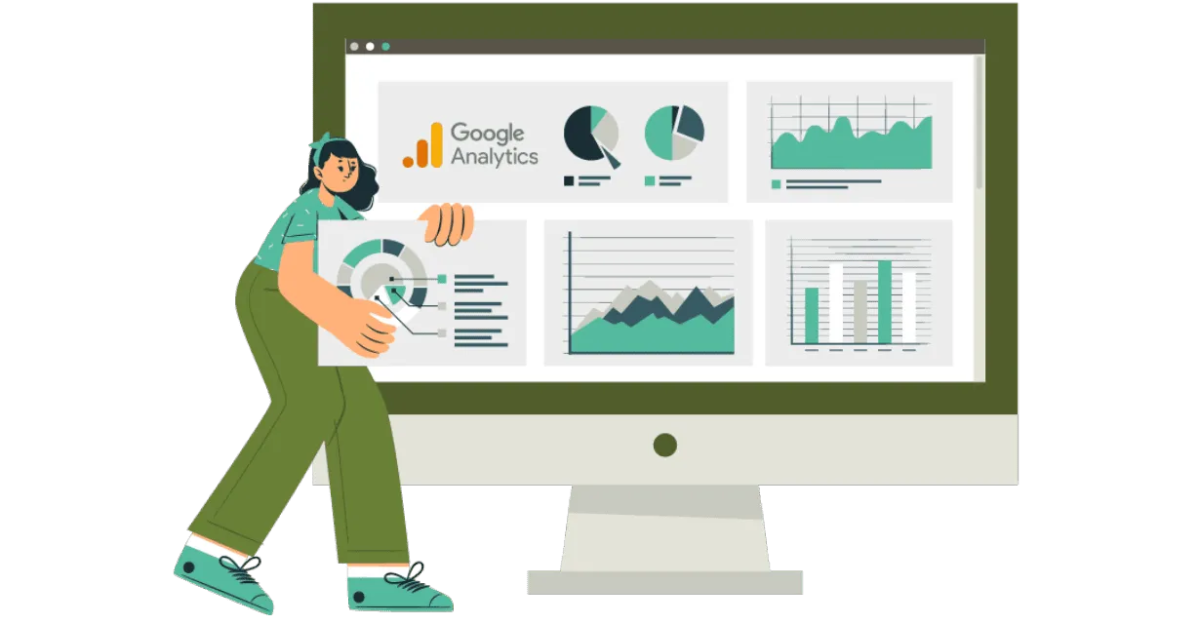
Use analytics tools like Google Analytics, HubSpot, or Zoho (popular in Asia) to segment performance by location, platform, and content type. If you’re running paid ads, make sure your campaigns are tracked per country—what works on Facebook in Vietnam might flop in South Korea.
A/B test relentlessly. Headlines, CTAs, landing pages, and even visuals should all be optimized over time.
Data isn’t just numbers—it’s insight into what makes each market tick. And when you act on that insight, your lead gen efforts will evolve from good to unstoppable.
Partner Up: Collaborate with Local Experts for Maximum Impact
Last but not least—don’t go it alone.
Asia is a vast, complex market, and partnering with local experts can fast-track your success. Whether it’s a digital agency, a sales consultancy, or a localized marketing platform, collaboration brings in-ground insights you simply can’t get from Google.
Benefits of working with local partners:
- Cultural fluency: Know what tone, offers, and channels work in each market
- Faster execution: Skip the learning curve and hit the ground running
- Regulatory support: Ensure your campaigns are compliant with local laws
- Network access: Tap into existing relationships and ecosystems
This is especially important if you’re entering a market for the first time. For instance, working with a local team in Singapore or Jakarta can give you access to databases, event invites, or influencer lists that would take you months to build from scratch.
Looking for a head start? Here’s a resource to help: B2B lead generation for Asia.
Final Thoughts: The Future of B2B Lead Generation in Asia Is Personal, Digital, and Local
To win in Asian B2B markets, forget shortcuts. It’s not just about reaching inboxes—it’s about reaching people in a way that respects their time, culture, and business style.
Whether you’re selling software in Seoul, logistics in Ho Chi Minh, or fintech in Bangalore, the formula remains the same: localize, personalize, analyze, and build real trust.
With the right tools, partnerships, and strategy, you’re not just generating leads—you’re opening doors to long-term, high-value business relationships across one of the most exciting regions in the world.


