

In the fast-paced business ecosystem of Singapore, companies constantly battle for attention. Digital marketing channels are crowded, and traditional tactics are losing their punch. Yet, email marketing remains a powerful, often underutilized tool for B2B Lead Generation for Singapore. When done right, it’s not just sending messages—it’s starting conversations, building trust, and converting prospects into loyal clients.
B2B decision-makers in Singapore are busy, discerning, and often inundated with irrelevant pitches. That’s why precision and personalization are crucial. Unlike social media or paid ads, email allows businesses to craft targeted campaigns that speak directly to the recipient’s needs, pain points, and goals. Companies leveraging email marketing for B2B Lead Generation for Singapore see higher engagement and measurable ROI because the channel combines scalability with intimacy.
Understanding the nuances of the Singaporean market is key. Email strategies that work in Western markets may fall flat here without cultural and regulatory awareness. Compliance with PDPA regulations, respect for local business etiquette, and timely, value-driven messaging set apart successful campaigns. In this guide, we’ll explore actionable strategies and best practices for optimizing email marketing to fuel B2B Lead Generation for Singapore, from list-building and content creation to automation and performance tracking.

Understanding the Singapore B2B Landscape: Precision Over Volume
Singapore’s business environment is uniquely competitive. From startups to multinational corporations, decision-makers value efficiency, credibility, and relevant insights. Generic or overly promotional emails rarely make an impact. For B2B Lead Generation for Singapore, understanding your audience is non-negotiable.
Segmentation is your first step. Not all leads are equal, and crafting messages that resonate with specific industries, roles, or company sizes can significantly improve engagement. Singaporean businesses also respond well to thought leadership and actionable insights. Offering data-driven perspectives, industry benchmarks, or market trends positions your brand as a trusted advisor rather than just a vendor.
Regulatory compliance is equally critical. The Personal Data Protection Act (PDPA) governs how businesses handle personal information. Ignoring these rules can not only harm your reputation but also limit your ability to use email as a lead generation tool. Leveraging B2B Lead Generation for Singapore strategies that respect legal boundaries ensures your campaigns are ethical, effective, and sustainable.
By aligning your messaging with the Singaporean market’s expectations, you can create highly targeted email campaigns that stand out. When combined with strategic segmentation and cultural insight, your email marketing efforts become a precision tool for driving B2B Lead Generation for Singapore success.

Building a High-Quality Email List: The Foundation of Lead Generation
A campaign is only as strong as its foundation, and in email marketing, that foundation is your email list. For B2B Lead Generation for Singapore, quantity without quality is worthless. High-volume lists filled with disengaged contacts lead to low open rates, spam complaints, and wasted effort. Instead, focus on collecting leads that are relevant, engaged, and ready to take action.
Start with ethical data collection methods: gated content, webinars, and industry events are gold mines for qualified leads. Ensure every subscriber has opted in and clearly understands the value of your emails. Segmentation is crucial—group leads by industry, role, or past engagement to tailor messages that feel personal rather than generic.
List hygiene is another key factor. Regularly clean your email lists to remove inactive or outdated contacts. A smaller, engaged list will outperform a massive, unresponsive one. By prioritizing relevance and accuracy, you set the stage for successful B2B Lead Generation for Singapore campaigns that maximize conversions and ROI.
Investing in a high-quality email list is not just an operational step—it’s a strategic advantage. A well-curated, segmented, and maintained list ensures your messages reach the right people at the right time, forming the backbone of any effective lead generation effort.
Crafting Compelling Emails: Speak Directly to Your Prospects’ Needs
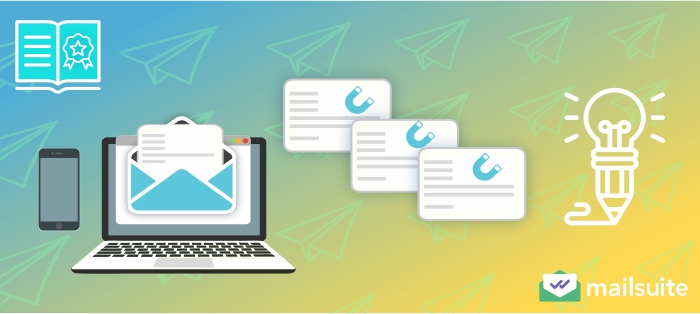
Your email content is your voice in a crowded inbox. For B2B Lead Generation for Singapore, the key is to offer value first. Subject lines must be concise, relevant, and intriguing—this is the first hurdle your emails must overcome.
Personalization is critical. Using the recipient’s name, company, or referencing their specific challenges builds connection. Copy should be tight, benefit-driven, and action-oriented. Avoid generic sales pitches; instead, highlight insights, solutions, or success stories that resonate with Singaporean B2B decision-makers.
Visuals and professional design elevate credibility. Incorporate charts, infographics, or branded templates, but keep the layout clean and mobile-friendly. Calls-to-action (CTAs) should be clear and persuasive, guiding prospects toward scheduling a demo, downloading content, or engaging with your brand.
When executed correctly, email content becomes a lead conversion engine. Every message contributes to building trust, nurturing relationships, and driving meaningful interactions for B2B Lead Generation for Singapore, making your campaigns both measurable and scalable.
Automation and Nurturing: Turning Leads into Clients
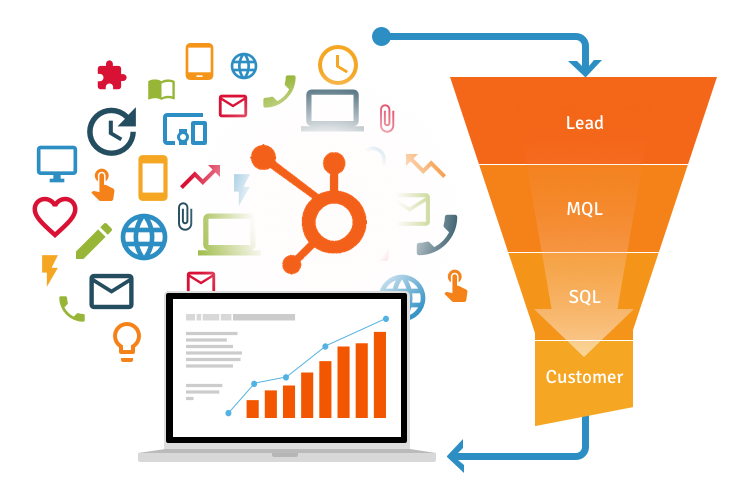
Email automation transforms your campaigns from one-off messages into continuous, intelligent engagement. For B2B Lead Generation for Singapore, automation ensures timely, relevant communication that keeps your brand top-of-mind.
Drip campaigns are highly effective. These series of automated emails guide prospects through a journey—from awareness to consideration to decision. Behavior-triggered emails, such as follow-ups based on content downloads or webinar attendance, increase relevance and engagement.
Lead nurturing doesn’t just sell—it educates, builds credibility, and addresses objections before they arise. By combining automation with personalization, your campaigns can scale without losing the human touch. Successful B2B marketers in Singapore integrate these strategies to accelerate B2B Lead Generation for Singapore, ensuring no opportunity slips through the cracks.

Measuring Success: Metrics That Drive Continuous Improvement
An email campaign without measurement is guesswork. For B2B Lead Generation for Singapore, tracking key performance indicators (KPIs) is essential to refine strategies and maximize ROI. Open rates, click-through rates, conversion rates, and unsubscribe rates reveal how prospects interact with your content.
A/B testing subject lines, CTAs, and email layouts uncovers what resonates best with your audience. Analyze engagement patterns to optimize send times and frequency. Continuous improvement transforms email marketing into a dynamic engine for lead generation rather than a static communication tool.
Leveraging data not only improves campaign performance but also provides insights into prospect behavior, preferences, and pain points. This intelligence fuels smarter campaigns, stronger relationships, and more effective B2B Lead Generation for Singapore outcomes.
Conclusion
Email marketing remains one of the most powerful tools for B2B Lead Generation for Singapore—but only when executed with strategy, precision, and insight. Understanding the market, building high-quality lists, crafting value-driven content, leveraging automation, and continuously measuring performance are the pillars of success.
Singaporean decision-makers respond to relevance, personalization, and professionalism. Brands that respect these principles while adhering to regulations like PDPA will see higher engagement, stronger relationships, and consistent lead generation results.
By implementing the strategies outlined above, businesses can transform email marketing from a routine task into a competitive advantage. It’s not just about sending emails—it’s about creating meaningful interactions that convert prospects into loyal clients and fuel sustainable growth in the Singaporean B2B landscape.


