

Singapore’s B2B market is not forgiving. Decision-makers are highly informed, risk-averse, and allergic to marketing fluff. CFOs, CMOs, and procurement heads don’t “browse.” They evaluate, compare, and validate before engaging. This is why B2B Lead Generation for Singapore demands a fundamentally different approach compared to regional or global markets.
Traditional marketing once dominated because options were limited. Print ads in business magazines, trade shows at Marina Bay, cold calls during office hours—these tactics worked when attention was scarce and data was invisible. Today, attention is expensive and data is brutally transparent. Buyers research long before they respond, and sales conversations now start halfway through the decision journey.
What most B2B companies in Singapore get wrong is mistaking visibility for traction. Awareness doesn’t equal leads. Exposure doesn’t equal pipeline. Without a system built specifically for B2B Lead Generation for Singapore, marketing becomes an expense instead of a growth engine.
The real challenge is accountability. CEOs want predictable pipelines. Sales teams want qualified conversations. Marketing teams are stuck defending vanity metrics. This is where the digital vs. traditional debate becomes unavoidable. One offers control, attribution, and optimisation. The other relies heavily on assumptions and delayed outcomes.
In today’s Singapore B2B environment, the question isn’t which channel is cheaper or more familiar. The question is which approach aligns with how modern buyers actually behave—and which one can consistently produce high-intent leads without burning budget or credibility.
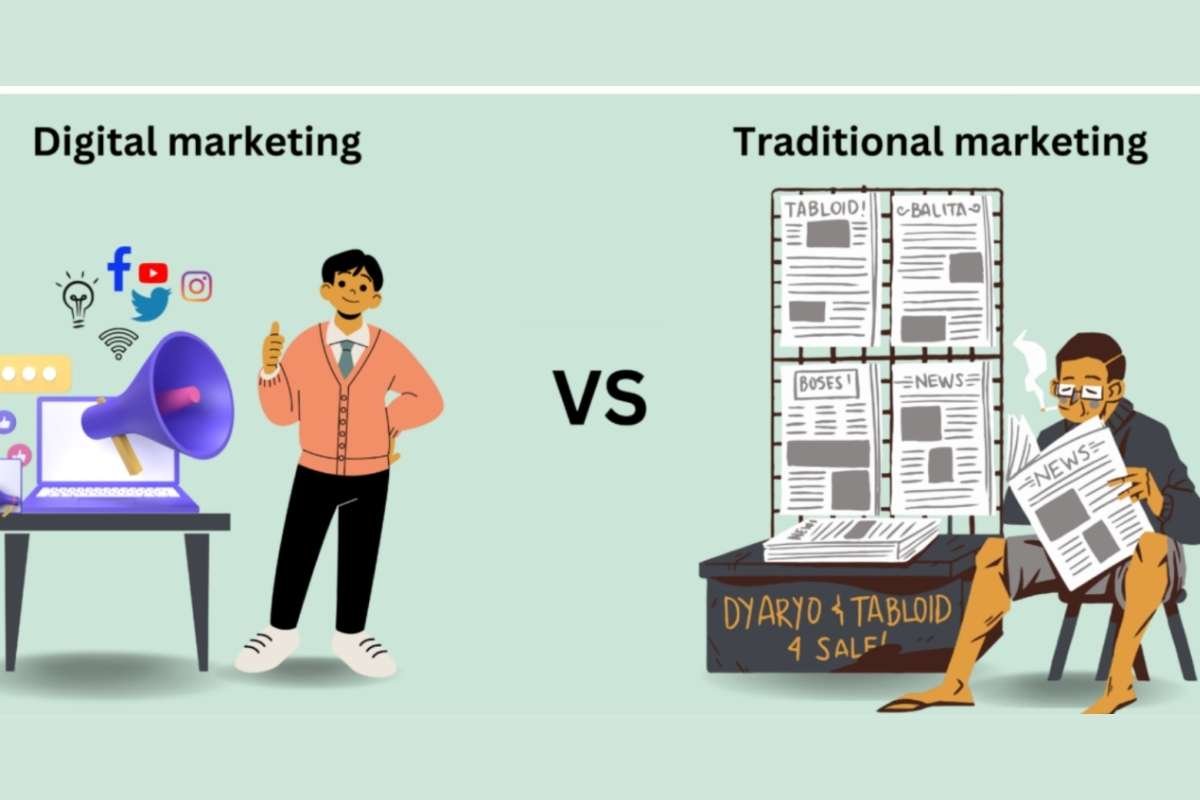
Traditional Marketing: Familiar, Trusted, but Increasingly Fragile
Traditional marketing still carries a sense of legitimacy in Singapore’s conservative B2B sectors. Print publications, industry expos, sponsorships, and physical networking events signal stability and scale. For decades, this was the backbone of B2B Lead Generation for Singapore, especially in finance, logistics, manufacturing, and enterprise services.
However, familiarity does not equal effectiveness. Traditional channels struggle with three critical issues: cost, measurement, and speed. A single trade show booth can cost tens of thousands of dollars with no guarantee of lead quality. Print ads lock budgets for months without real-time optimisation. Cold calling battles gatekeepers and declining response rates.
The biggest flaw is attribution. When a deal closes, no one can confidently say which offline touchpoint made the difference. This creates internal tension—sales doubts marketing, leadership doubts ROI, and future budgets are based on guesswork. In a market as competitive as Singapore, this uncertainty is dangerous.
That said, traditional marketing is not useless. It still plays a role in trust-building, especially for high-value enterprise deals. Face-to-face interactions can accelerate relationships once interest already exists. But relying on traditional alone for B2B Lead Generation for Singapore is like navigating the CBD without GPS—possible, but inefficient and costly.
The harsh reality is this: traditional marketing is no longer a lead generation engine. At best, it’s a supporting channel. At worst, it’s an expensive comfort blanket that delays digital transformation while competitors move faster.
Digital Marketing: Precision, Data, and Scalable B2B Growth
Digital marketing didn’t just change B2C. It fundamentally rewired B2B Lead Generation for Singapore. SEO, LinkedIn advertising, content marketing, marketing automation, and intent-based targeting now allow businesses to reach decision-makers with surgical precision.
Unlike traditional channels, digital marketing meets buyers where they already are—search engines, LinkedIn feeds, inboxes, and industry content hubs. Instead of interrupting, it attracts. Instead of guessing, it measures. Every click, form fill, and conversion can be tracked, analysed, and optimised.
For Singapore B2B companies, this is critical. Digital allows targeting by job title, company size, industry, and even buying intent. A logistics SaaS company can speak directly to supply chain directors. A cybersecurity firm can target CISOs actively researching solutions. This level of relevance is impossible with offline methods.
More importantly, digital creates systems. Lead magnets, nurturing workflows, retargeting, and CRM integration transform raw interest into sales-ready opportunities. This is why modern B2B Lead Generation for Singapore strategies focus on pipelines, not campaigns.
Digital marketing also compounds over time. SEO content builds authority. Email lists grow assets. Data improves targeting. Unlike traditional marketing, where impact stops when spending stops, digital continues delivering value long after execution.
In a market where decision-makers demand proof, digital marketing doesn’t just generate leads—it builds credibility, trust, and momentum at scale.

Cost, ROI, and the Brutal Math Behind Both Approaches
When leadership evaluates B2B Lead Generation for Singapore, the conversation inevitably turns to numbers. Cost per lead. Cost per opportunity. Cost per acquisition. This is where digital marketing consistently exposes the weaknesses of traditional channels.
Traditional marketing requires heavy upfront investment. Booth fees, printing, sponsorships, media buying—all before a single lead is generated. Optimisation happens after the fact, if at all. By the time results are analysed, the budget is already spent.
Digital marketing flips this equation. Campaigns can start small, test fast, and scale what works. Underperforming ads are paused instantly. High-performing audiences are doubled down. ROI becomes visible in weeks, not quarters. For B2B Lead Generation for Singapore, this agility is a competitive advantage.
Measurability is the real differentiator. Digital shows exactly where leads come from, which content converts, and which channels influence deals. This data doesn’t just justify spend—it improves future performance. Traditional marketing rarely offers this feedback loop.
The result is predictable growth. When marketing can forecast pipeline contribution, leadership gains confidence. Sales gains alignment. Budget decisions become strategic, not political. In Singapore’s high-cost business environment, this clarity is no longer optional—it’s survival.

Lead Quality and Sales Efficiency: Where Digital Pulls Ahead
Quantity is easy. Quality is hard. This is where most B2B Lead Generation for Singapore strategies fail. Traditional channels often generate large volumes of low-intent leads—people collecting brochures, scanning QR codes, or attending events without buying authority. Sales teams waste time chasing ghosts.
Digital marketing solves this by filtering intent before sales ever gets involved. Content educates. Lead forms qualify. Nurturing warms prospects. By the time a lead reaches sales, they already understand the problem and the value proposition.
This dramatically improves close rates and sales efficiency. Instead of cold outreach, sales engages in informed conversations. Cycle lengths shorten. Deal quality improves. This alignment between marketing and sales is what separates high-performing B2B organisations from stagnant ones.
For Singapore companies dealing with complex solutions and long sales cycles, this matters. Digital-led B2B Lead Generation for Singapore doesn’t just feed the funnel—it sharpens it.
The outcome is fewer leads, better conversations, and higher revenue per deal. In a market where talent and time are expensive, efficiency is everything.
.jpg)
When Traditional Marketing Still Earns Its Seat at the Table
Despite its limitations, traditional marketing isn’t dead. It’s just been demoted. In high-value enterprise sales, face-to-face interactions still accelerate trust. Industry events still matter when combined with digital follow-up. Print can reinforce credibility when supported by online proof.
The mistake is using traditional as the foundation instead of the amplifier. Modern B2B Lead Generation for Singapore uses digital to attract, qualify, and nurture—then uses traditional touchpoints to deepen relationships and close deals.
A trade show lead backed by LinkedIn retargeting, email nurturing, and sales enablement content performs far better than a cold offline interaction. This integrated approach respects how buyers actually behave today.
Traditional works best when it supports a digital-first system—not when it replaces it.
Conclusion
The conclusion is clear. For sustainable B2B Lead Generation for Singapore, digital must lead. Traditional can support, but it cannot scale, optimise, or justify itself alone.
Singapore B2B leaders who win don’t debate channels—they build systems. Systems that attract the right audience, qualify intent, align sales, and prove ROI. In a market this competitive, strategy beats nostalgia every time.
If your lead generation still relies on hope, exposure, or outdated playbooks, it’s not a marketing problem. It’s a growth risk.


