
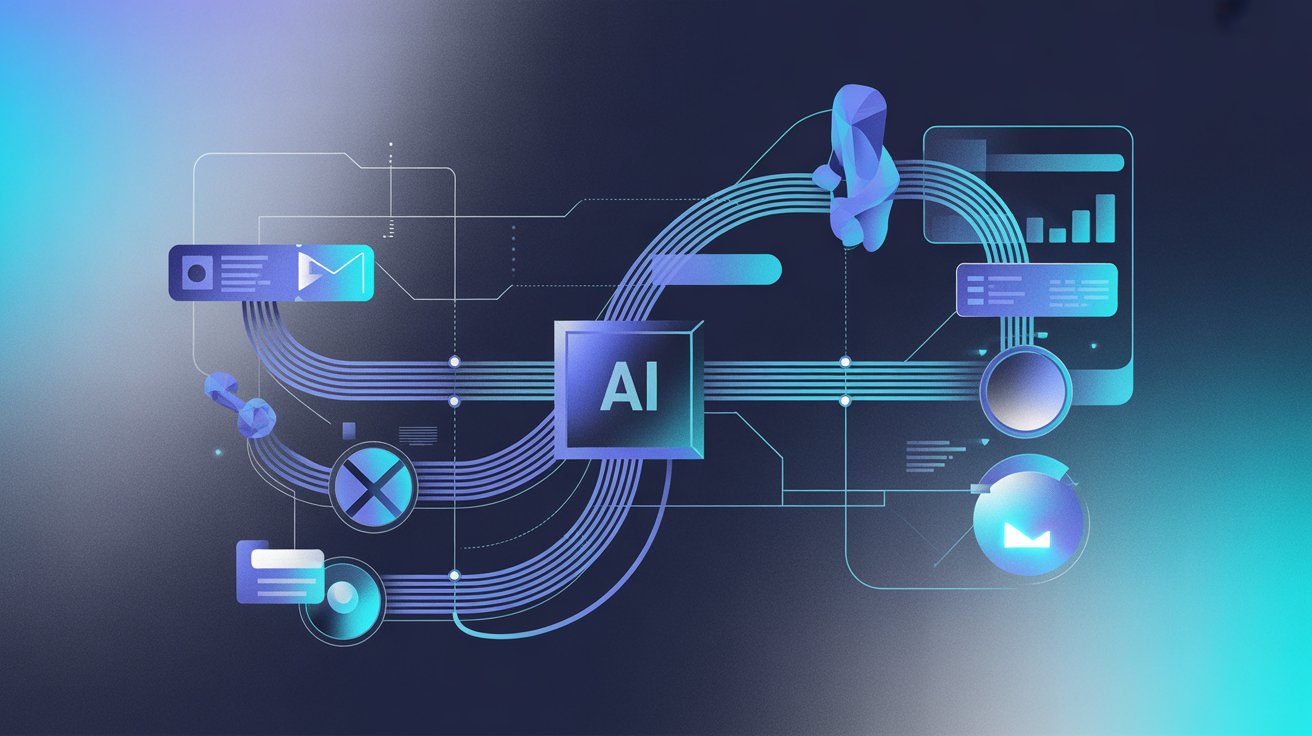
Introduction: AI Isn’t Optional — It’s the Backbone of 2026 Marketing
In 2026, the question for brands isn’t whether to adopt AI Marketing — it’s whether they’re ready to integrate it strategically. AI is no longer a supporting tool; it’s the core of marketing strategy, driving precision, speed, and measurable results. Brands that fail to leverage it risk falling behind competitors who are already predicting customer behavior and optimizing campaigns in real time.
The power of AI Marketing lies not in flashy tools but in informed action. It allows teams to analyze massive datasets, anticipate trends, and create highly personalized experiences. Companies that integrate AI effectively can scale campaigns while maintaining relevance to each customer segment, ensuring engagement and conversion are maximized.
Adopting AI without a plan is risky. Random experiments or scattered tool usage create noise, not insight. By contrast, organizations that embed AI Marketing into strategy transform their operations from reactive to proactive. Predictive insights, adaptive campaigns, and real-time optimization become part of the standard playbook.
As marketing evolves, AI Marketing is no longer optional — it defines relevance. It amplifies human strategy, allowing creativity and intuition to pair with unmatched data-driven intelligence. In this guide, we’ll explore the evolution of AI, its real applications, challenges, and actionable steps to integrate it strategically in 2026.

From Automation to Intelligence: How AI Marketing Has Evolved
A few years ago, automation dominated marketing: scheduled emails, basic chatbots, and templated campaigns. It was useful but limited. Today, AI Marketing has evolved into intelligent systems capable of predicting outcomes, optimizing campaigns dynamically, and personalizing experiences at scale.
Modern platforms process enormous volumes of customer data. They identify patterns, segment audiences, and even recommend strategic changes before humans intervene. By combining speed with insight, AI Marketing empowers brands to act proactively rather than reactively, reducing wasted effort and increasing ROI.
The evolution from automation to intelligence also means marketers’ roles are shifting. Instead of executing repetitive tasks, teams focus on strategy, creative direction, and oversight. AI Marketing handles the heavy lifting, allowing human talent to guide campaigns with a sharper lens.
Integrating AI successfully requires understanding its capabilities and limitations. It’s not magic; it’s a system that amplifies insight when guided effectively. The brands that embrace AI Marketing thoughtfully will dominate by being faster, smarter, and more precise.

Unlocking AI Marketing Potential: What It Can Do for Your Brand
The real power of AI Marketing lies in actionable outcomes. Predictive analytics allows teams to anticipate customer behavior, identify churn risk, and highlight cross-selling opportunities. Personalization engines dynamically tailor messages, products, and experiences to individual preferences.
Campaign optimization is another core strength. AI systems continuously analyze performance, adjust budgets, and optimize targeting in real time, ensuring every dollar drives maximum impact. By leveraging AI Marketing, brands gain the ability to scale campaigns without sacrificing relevance or accuracy.
Automation of strategic insights means teams can focus on high-level decisions rather than tedious manual tasks. Tools within AI Marketing platforms surface opportunities that might otherwise go unnoticed, enabling teams to prioritize the actions that have the greatest effect on growth.
Integrating AI Marketing into a strategy transforms the brand’s approach from reactive to predictive. Decisions are informed by data, and campaigns can evolve as customer behavior shifts. The future is no longer about intuition alone—it’s about using intelligent systems to make smarter, faster, and more effective choices.

Human + Machine: Why Creativity Still Matters
While AI Marketing excels at data processing and predictive analytics, it can’t replace human intuition, empathy, or creativity. Strategy still requires humans to frame campaigns, understand cultural nuance, and make ethical decisions. AI is a force multiplier—not a substitute.
By pairing AI Marketing with human insight, brands can ensure campaigns are both relevant and emotionally resonant. AI generates options; humans select which align with brand voice and strategic objectives. This synergy ensures precision without sacrificing authenticity.
Ethical oversight is equally critical. Bias, misalignment, or over-automation can damage credibility. Humans must guide AI outputs, review decisions, and maintain transparency. Proper integration of AI Marketing means humans make the call when strategic judgment is necessary, while AI handles execution, optimization, and scale.
The combination of AI Marketing and human strategy delivers a competitive advantage: campaigns are faster, smarter, and more impactful, while still grounded in human understanding. Brands that neglect the human element risk alienating customers or misusing data-driven insights.
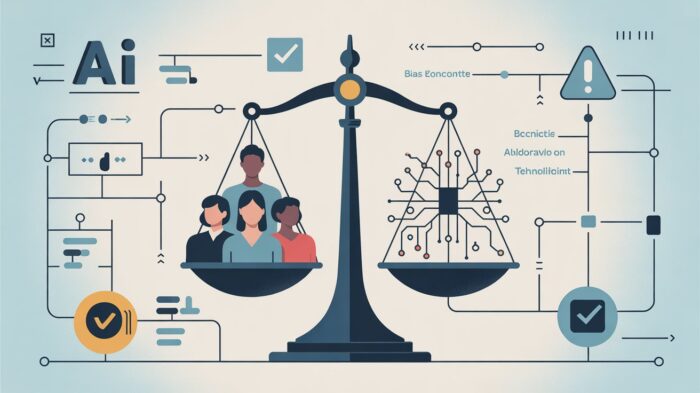
Addressing Ethics, Bias, and Limitations
AI is powerful, but without governance, AI Marketing can create unintended consequences. Algorithms are only as unbiased as the data they learn from. Privacy violations, lack of transparency, or over-reliance on AI can undermine trust and lead to regulatory issues.
Brands need clear policies and ethical frameworks when deploying AI Marketing. Oversight ensures outputs align with values and that decision-making remains accountable. By building responsible systems, organizations can mitigate risks while maximizing impact.
Limitations also exist. AI struggles with incomplete data, unexpected behavior shifts, or cultural subtleties. Human oversight is essential to interpret AI recommendations, validate strategies, and maintain brand integrity. Properly designed AI Marketing frameworks balance automation with informed human intervention.
How to Integrate AI Marketing Effectively
Successful adoption of AI Marketing starts with strategy, not tools. Define clear goals—more leads, higher retention, or revenue growth. Organize your data infrastructure to feed AI systems with accurate, structured information.
Pilot AI initiatives in targeted areas like email campaigns or ad optimization, measure results rigorously, and scale what works. Continuous iteration is essential: AI evolves rapidly, and integration is an ongoing process.
Training your team is equally important. Marketers should understand the mechanics behind AI Marketing, enabling them to guide systems intelligently and maximize return. Governance, monitoring, and playbooks help maintain consistent performance while mitigating risks.
Conclusion: AI Marketing Is Not Optional — It’s Strategic
The brands that succeed in 2026 won’t be the loudest—they’ll be the smartest. AI Marketing is not a silver bullet, but when deployed intentionally, ethically, and strategically, it becomes a force multiplier for creativity, insight, and impact.
Human strategy and machine intelligence together create campaigns that are faster, more precise, and more effective than ever before. Companies that embed AI Marketing into their DNA will gain competitive advantage, optimize ROI, and deliver personalized, meaningful experiences at scale.