

Introduction: Why Smarter Marketing is the Only Way Forward
In the rapidly evolving world of digital marketing, working harder alone no longer guarantees success. Marketers face an overwhelming flood of data, multiple platforms, and ever-changing customer expectations. Traditional tactics—posting endlessly, chasing trends, and relying on instinct—simply don’t scale. What’s required now is smarter, not harder marketing.
At the heart of this transformation is AI Marketing, a strategy that leverages artificial intelligence to amplify human capability rather than replace it. AI enables marketers to process massive datasets, predict customer behavior, and deliver highly personalized experiences in real time. By integrating AI into campaigns, teams can work with precision, not just effort, and make every action count.
Smarter marketing also means being selective. Instead of chasing every tool or trend, it’s about aligning technology with strategic goals. Platforms powered by AI can identify patterns invisible to the human eye, optimize budget allocation, and enhance content performance. This approach transforms data from noise into actionable insight.
Ultimately, embracing AI Marketing allows brands to move from reactive campaigns to proactive strategies. It’s about understanding customers deeply, optimizing campaigns in real time, and freeing human teams to focus on creativity and strategy. In a landscape where attention is fleeting, smarter marketing isn’t a luxury—it’s survival.

Why Traditional Marketing Alone Can No Longer Compete
Manual, effort-heavy marketing once dominated the industry. Teams relied on spreadsheets, email blasts, and gut-feel decisions to drive results. But modern customers interact with brands across multiple channels—social media, search engines, email, and messaging apps—creating a complex, non-linear journey. Attempting to manage this manually is inefficient and costly.
This is where AI Marketing becomes essential. Automation tools can track customer behavior across platforms, analyze engagement patterns, and predict what content or offers will resonate most. Rather than spending hours crunching numbers, marketers can make smarter decisions faster.
Manual marketing also struggles with scale. Personalization becomes impossible when campaigns are handled individually, and campaign optimization is reactive instead of predictive. AI bridges this gap, enabling teams to target specific segments intelligently, optimize messaging automatically, and measure performance in real time.
By combining human creativity with intelligent automation, marketers can focus on high-value activities, like storytelling and strategic planning, while AI handles repetitive tasks. It’s no longer about who can work longer hours—it’s about who can make smarter decisions with the tools at their disposal.
Integrating AI Marketing ensures campaigns are data-driven, efficient, and impactful, helping brands stay competitive in an increasingly saturated market.
How AI is Reshaping Marketing Strategies
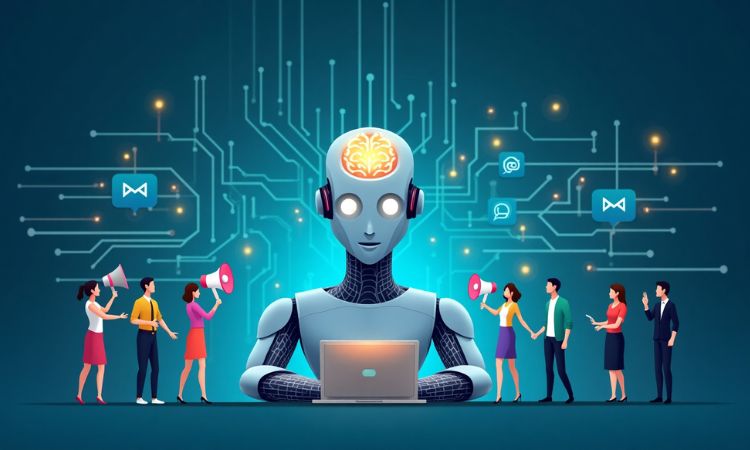
AI is revolutionizing marketing by enabling capabilities that were previously impossible. From automation to predictive analytics and real-time personalization, the technology enhances decision-making at every stage of the customer journey.
With AI Marketing, marketers can generate personalized content, optimize campaigns, and understand audience behavior at scale. For example, AI can suggest the right messaging for individual users, recommend the best distribution channels, and even optimize ad spend automatically.
Predictive analytics is another game-changer. AI algorithms identify trends and anticipate customer behavior, allowing marketers to act before a competitor does. Real-time optimization ensures campaigns continuously improve, rather than being locked into a static strategy.
Personalization is also taken to new heights. AI evaluates every interaction—from clicks and browsing patterns to past purchases—enabling dynamic messaging that resonates with each audience segment. This increases engagement, reduces bounce rates, and boosts conversion.
By adopting AI Marketing, companies gain the ability to execute campaigns intelligently, adjust strategies on the fly, and deliver experiences that feel personal at scale, all while freeing human teams to focus on creativity and strategy.
Smarter Campaigns: Combining Creativity with AI Intelligence
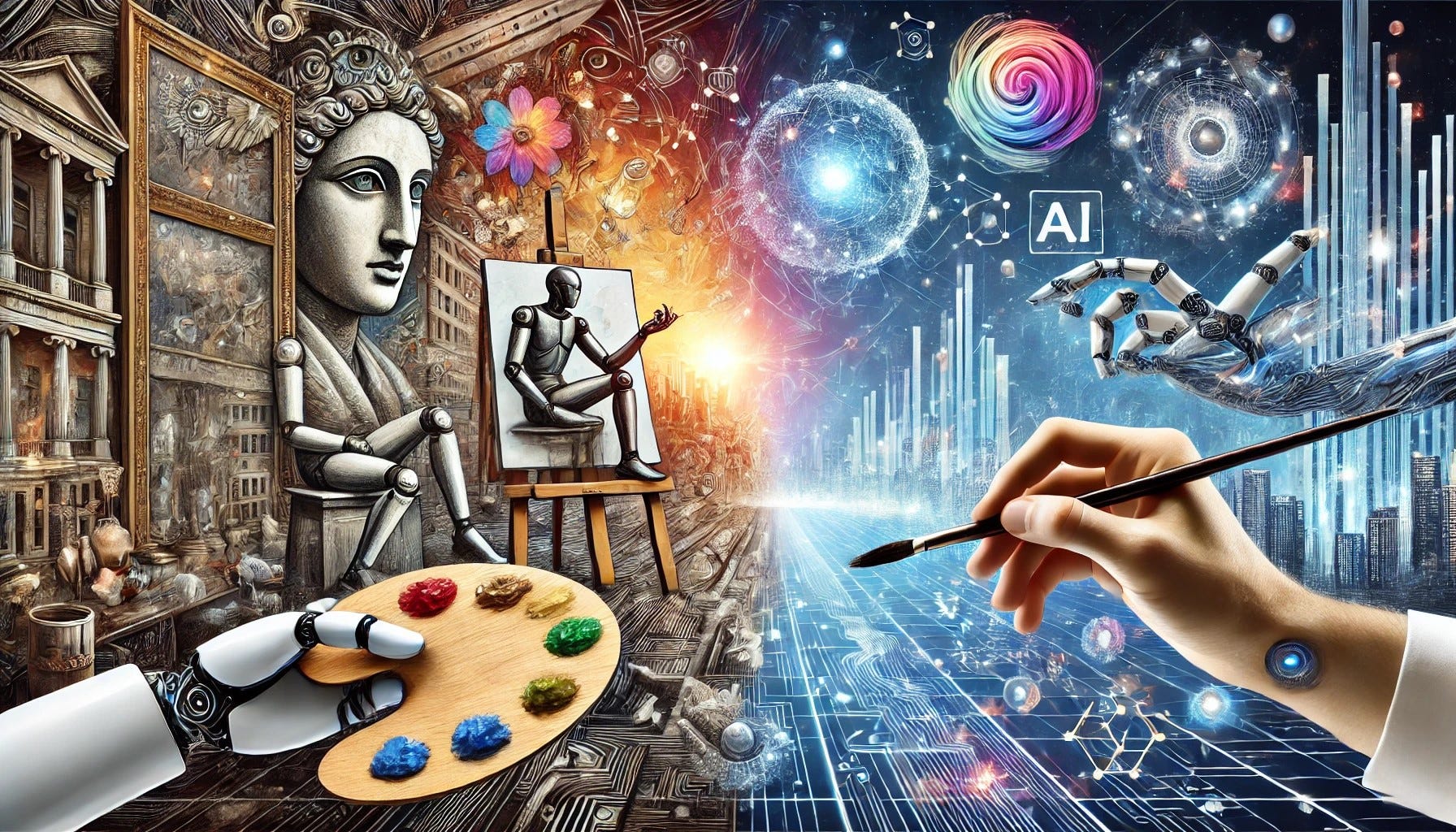
One of the most common myths about AI is that it replaces human creativity. In reality, AI excels when paired with human insight. AI Marketing empowers creative teams by handling repetitive tasks, analyzing large datasets, and predicting outcomes, leaving humans free to focus on storytelling, branding, and strategy.
For instance, AI can optimize headlines, suggest content variations, and recommend the best posting times. It can also segment audiences with incredible precision, ensuring campaigns reach the right people with the right message. Creative teams no longer waste time on trial and error—they can focus on innovation while AI handles the data-driven aspects.
Human-AI collaboration allows for smarter experimentation. Marketers can test multiple versions of creative assets, refine targeting strategies, and iterate rapidly, informed by real-time insights. The result? Campaigns that are both imaginative and effective, delivering higher engagement without the burnout that comes from manual trial-and-error.
Using AI Marketing as an augmentation tool rather than a replacement ensures organizations achieve peak efficiency while preserving the human touch—the element that resonates emotionally with customers.
Real-World Success: Brands Winning with AI Marketing
Brands embracing AI Marketing are seeing measurable results across industries. Personalized experiences, automated optimization, and predictive targeting have allowed companies to increase engagement, reduce churn, and drive revenue.
AI-powered email and social campaigns can now dynamically adapt to user behavior, improving open rates and click-throughs. Intelligent ad optimization ensures budgets are allocated efficiently, maximizing ROI without additional human hours. Dynamic content delivery increases relevance, turning passive audiences into active participants.
Integrating AI Marketing also enables performance transparency. Marketers gain predictive insights, making it easier to forecast campaign success and adjust strategies quickly. This approach turns marketing from a cost center into a revenue-driving engine.
The lesson is clear: smarter campaigns, powered by AI, achieve more with less. By combining creativity with intelligence, brands stay competitive, responsive, and relevant in fast-moving markets.

Overcoming Challenges and Ethical Considerations
While the benefits of AI Marketing are undeniable, organizations must approach implementation thoughtfully. Data privacy, ethical AI use, and transparency are critical considerations.
Responsible marketing starts with compliance. AI systems must adhere to regulations, protecting customer data and maintaining trust. Algorithms should also be audited regularly to prevent bias and ensure equitable targeting. Transparency with users—clearly indicating when AI is used in messaging or recommendations—builds confidence and loyalty.
Security is equally important. AI systems handling sensitive information must be safeguarded against breaches, misconfigurations, and misuse. Establishing robust monitoring, encryption, and governance frameworks ensures campaigns remain secure and effective.
By proactively addressing these challenges, marketers can harness AI Marketing responsibly, leveraging its power while maintaining ethical and legal standards. This ensures long-term trust and sustainable growth.
Conclusion: Smarter Marketing is the Future
The age of digital saturation and data abundance requires a new approach. Working harder is no longer a differentiator—working smarter is. By embracing AI Marketing, brands can gain precision, efficiency, and personalization, freeing human teams to focus on creativity and strategy.
AI is not a replacement for humans; it’s an amplifier. It transforms data into insight, automates repetitive tasks, and enhances decision-making at every stage. By adopting AI intelligently, organizations achieve campaigns that are more targeted, more effective, and more impactful.
Smarter marketing is no longer optional—it’s essential. The future belongs to brands that harness AI responsibly, strategically, and creatively. In this era, intelligence, not effort, drives growth, engagement, and lasting success.