
If your lead gen plan starts with “Asia strategy,” you’re already one step away from wasted spend. Asia is a region, sure—but buyer behavior, compliance norms, language preferences, and even decision-making speed can change drastically from one country to the next. Singapore-based buyers may move quickly with clear ROI and strong references. Japan may require deeper trust signals and longer stakeholder alignment. India might reward speed, value proof, and persistent follow-up. One message won’t land equally everywhere.
A practical way to avoid the “one-size-fits-none” trap is to build a simple market matrix:
- Market maturity: Are you selling into early adopters or conservative buyers?
- Decision structure: Founder-led, committee-driven, procurement-heavy?
- Preferred channels: LinkedIn-heavy vs event-heavy vs partner-led?
- Trust signals: Certifications, local case studies, brand associations, testimonials.
Once you map this, you can tailor the same core offer into market-specific angles. Instead of rewriting everything, adjust the entry point: headline, pain framing, proof points, and CTA. The goal is to show relevance fast—and relevance is the first step to trust.
Also, keep your lead qualification consistent across markets. Use a single definition of a “qualified lead” (ICP fit + intent + authority + timeline) so you can compare performance fairly. That’s how you scale sustainably.
If you’re serious about building predictable pipelines, start by thinking in terms of B2B Lead Generation for Asia as a localized system, not a generic campaign. That mindset alone improves conversion rates because you stop speaking to “everyone” and start speaking to real buyers.
Win High-Value Deals Faster With Practical Account-Based Marketing
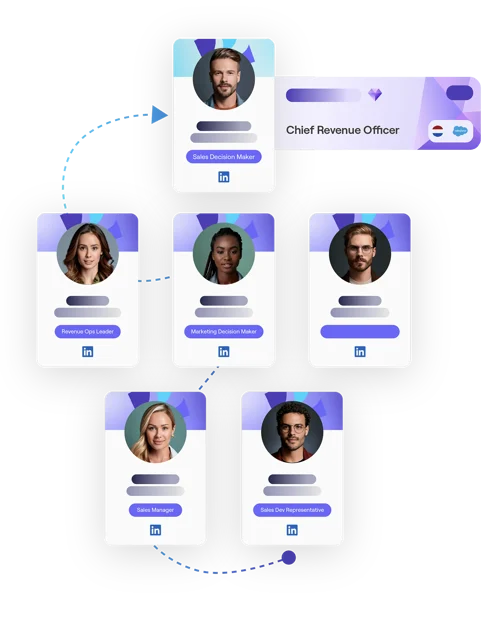
In many Asian B2B markets, the best opportunities aren’t found by chasing volume—they’re found by identifying the right accounts and building enough credibility to get in the room. That’s why Account-Based Marketing (ABM) works so well here, especially for SaaS, enterprise services, industrial solutions, and high-ticket consulting.
ABM doesn’t have to be complex. You can run a lean ABM approach with three steps:
- Build a target list you actually want
Choose 30–100 accounts that match your ideal customer profile: industry, size, tech stack, expansion signals, funding events, or hiring patterns. Add local context—regional HQs, subsidiaries, and decision hubs matter in Asia. - Create “micro-messaging” by role and priority
Don’t write one generic pitch. Create 3–5 message angles based on role: CFO cares about risk and ROI, IT cares about security and implementation, Operations cares about downtime and productivity. Then tailor by market, not just by persona. - Run coordinated touchpoints across channels
ABM is most effective when your touchpoints stack up: LinkedIn outreach, remarketing ads, a relevant webinar invite, a case study landing page, and one sharp email follow-up. Even if each channel performs “okay,” the combination drives trust and response.
Here’s the key: in Asia, credibility often beats cleverness. ABM gives you the space to demonstrate credibility—through local proof, relevant content, and thoughtful outreach—before you ask for a meeting.
If your goal is predictable revenue rather than random leads, ABM turns B2B Lead Generation for Asia into something measurable: named accounts, known stakeholders, and trackable progression from awareness to pipeline.
Make LinkedIn Work Harder With Social Proof and Consistent Outreach
LinkedIn is one of the most reliable B2B channels across many Asian markets—especially Singapore, Hong Kong, India, Malaysia, the Philippines, and increasingly parts of Indonesia and Vietnam for certain industries. But the mistake most teams make is treating LinkedIn like a billboard instead of a conversation starter.
To generate qualified leads (not just likes), you need three pieces working together:
1) A profile that sells without sounding salesy
Decision-makers in Asia often scan quickly. Your headline, “About” section, and featured assets should answer: What do you do? Who do you help? What outcomes do you drive? Add proof: a short case result, a recognizable client segment, or a credible partner mention.
2) Content that reduces perceived risk
In B2B, especially cross-border, buyers fear making a wrong call. Your content should reduce risk by showing process, results, and clarity. Good formats include:
- Short “before/after” mini case studies
- Practical checklists and frameworks
- Lessons learned from deployments
- Market-specific insights (not generic trends)
3) Outreach that feels relevant, not random
Skip the “Hope you’re well” + pitch combo. Instead:
- Start with a specific observation (their role, expansion, hiring, product shift).
- Offer a helpful asset (benchmark, checklist, short teardown).
- Ask a low-friction question (15-minute fit check, not a full demo).
Consistency wins. A steady cadence—posting 2–3 times a week, sending targeted connection requests daily, and nurturing replies—often outperforms sporadic bursts.
When done right, LinkedIn becomes the trust engine behind B2B Lead Generation for Asia: a place where prospects can verify you’re real, competent, and worth a reply before they ever book a call.
Turn Local SEO Into a Lead Machine With High-Intent Content
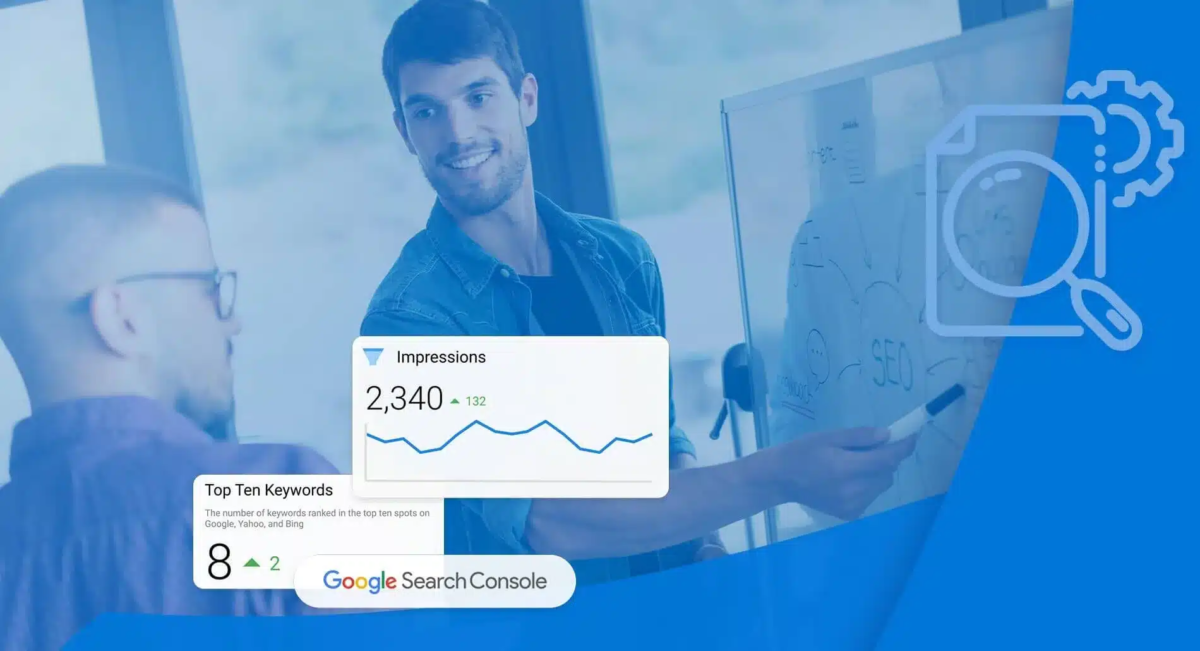
SEO for Asia isn’t just about ranking—it’s about ranking for the right intent. Too many companies publish broad, global content that gets traffic but attracts the wrong audience: students, job seekers, or early-stage researchers with no buying intent. The win comes from high-intent pages built for local searches.
Start with a simple content structure:
1) One strong “money page” per core service
This is your primary conversion page (service + market). It should include:
- Clear value proposition
- Industry use cases
- Local trust signals (case studies, testimonials, certifications)
- A strong CTA (consultation, audit, assessment)
2) Supporting pages that capture bottom-of-funnel intent
Examples:
- “Best [service] agency in Singapore/Malaysia/Hong Kong”
- “[service] pricing in [market]”
- “[industry] lead generation strategy for [market]”
- “Alternatives to [approach] for [region]”
3) Proof-led content that answers “Will this work for us?”
Case studies, implementation guides, and ROI breakdowns convert better than opinion pieces. In Asian markets, “show me” beats “tell me.”
Also, don’t ignore localization beyond translation. Use local examples, local business terms, and market-specific objections. Even a few lines that clearly signal “we understand how this market works” can lift conversion rates noticeably.
SEO compounds over time, which makes it ideal for sustained B2B Lead Generation for Asia—especially when your pages are built to capture decision-ready intent and route visitors into a clean funnel (lead magnet → nurture → call).
Use Webinars and Virtual Events to Build Trust at Scale
In many Asian B2B environments, trust isn’t built in one cold email. It’s built through repeated exposure, expert positioning, and social validation. Webinars and virtual events are perfect for that because they allow prospects to “meet” you with minimal risk—and they create a natural reason to follow up.
A converting webinar isn’t a product pitch disguised as education. It’s a tight, high-value session built around a problem your ICP already cares about. Strong webinar themes usually fall into one of these buckets:
- “How to reduce costs / improve efficiency in X process”
- “What top performers in [industry] are doing differently in [market]”
- “A practical playbook for [outcome] in 30–45 minutes”
To drive registrations, use a multi-channel approach: LinkedIn posts, direct outreach to target accounts, partner co-hosting, and retargeting ads to warm visitors. Partner webinars are especially powerful in Asia because they borrow credibility and widen reach fast.
The real magic happens after the webinar. Most teams drop the ball here. Your follow-up should segment attendees into three groups:
- Attended + engaged: offer a tailored consult or assessment
- Registered, didn’t attend: send replay + 2 key takeaways + CTA
- Watched replay: invite them to a short “fit check” call
Keep it simple and professional: one helpful message, one clear next step. If your audience feels informed—not sold—they’ll respond.
Used consistently, webinars become a scalable trust-builder and a dependable pipeline contributor for B2B Lead Generation for Asia.

Run Paid Campaigns That Attract Buyers, Not Just Clicks
Paid media can either be your fastest route to pipeline—or the quickest way to torch budget. The difference comes down to one thing: intent. In Asia, where buyer journeys can be relationship-driven and research-heavy, your paid strategy should prioritize qualified attention, not raw traffic.
Start by separating your campaigns into two buckets:
1) High-intent search campaigns (capture demand)
Search works best when someone is already looking for a solution. Focus your budget on keywords that signal buying intent, such as:
- “B2B lead generation agency Singapore”
- “enterprise lead generation services Asia”
- “appointment setting for [industry]”
- “[service] provider in [market]”
Build tight ad groups, send clicks to a dedicated landing page (not your homepage), and match the page language to the query. If the user searches for “lead generation in Singapore,” don’t land them on a generic “Asia solutions” page. That mismatch kills conversions.
2) Retargeting campaigns (convert warm audiences)
Retargeting is where the ROI often hides. Run ads to people who visited key pages, opened a lead magnet, or engaged with your LinkedIn content. Then show proof-led creatives:
- A short case study result
- A “how we work” snapshot
- A webinar replay or guide
- A credibility asset (logos, testimonials, certifications)
One practical tip: keep your retargeting frequency sensible. In smaller markets, aggressive retargeting can feel intrusive. A light, consistent cadence usually performs better—and protects brand perception.
Paid works best when it supports a broader system. When paired with ABM, content, and strong follow-up, it becomes a reliable accelerator for B2B Lead Generation for Asia—bringing the right buyers back at the right time, ready to talk.
Make Outbound Feel Personal, Relevant, and Culturally Aware
Outbound still works in Asia—very well, actually—when it’s done with care. The problem isn’t email or LinkedIn outreach itself. The problem is copy-paste messaging that ignores context, sounds pushy, and offers nothing useful. Buyers can smell that from a mile away.
A strong outbound system in Asia typically leans on three principles:
1) Lead with relevance, not your company bio
Start with a specific trigger or observation:
- Recent expansion into a new market
- Hiring for roles tied to growth (sales, marketing ops, partnerships)
- A new product launch or funding news
- A shift in their industry or regulatory environment
Then connect that trigger to a business outcome you can influence.
2) Reduce friction with a “small yes”
Instead of pushing for a demo immediately, offer a low-commitment next step:
- “Want a quick benchmark on what’s working in your market?”
- “Open to a 12-minute fit check to see if this is even relevant?”
- “Should I send a 1-page outline tailored to your industry?”
This approach respects the buyer’s time and makes it easier to respond—even if they’re busy.
3) Use a multi-touch sequence that doesn’t feel spammy
A good cadence could look like:
- Day 1: Short email with trigger + value
- Day 3: LinkedIn connect with a human note
- Day 6: Follow-up with a useful asset (guide, mini-case, webinar clip)
- Day 10: Simple close-the-loop message
Keep the tone professional and calm. In many markets, overly aggressive follow-ups can backfire. Persistence matters, but polished persistence wins.
When outbound is thoughtful and localized, it turns B2B Lead Generation for Asia into a predictable pipeline engine—because you’re not just “reaching out,” you’re starting conversations buyers actually want to have.