

Expanding across Asia isn’t about launching one strategy and hoping it lands everywhere. While it’s tempting to look at the continent as a monolithic market, the reality is far more complex—and rewarding for those who get it right.
Take Singapore and South Korea. On paper, both are tech-savvy, urban, and economically advanced. But beneath the surface, their business cultures, buyer behaviors, and digital preferences vary significantly.
Singapore, for instance, is a gateway to Southeast Asia and thrives on its reputation as a B2B hub with strong government support for innovation. It’s often the first stop for companies expanding in the region. On the other hand, South Korea has a highly relationship-driven business culture with deep ties to local networks and platforms.
Understanding these regional nuances isn’t optional—it’s foundational. Copy-pasting a Western or even pan-Asian strategy can lead to lost leads, wasted ad spend, and missed opportunities. Local context shapes everything from how decisions are made to what platforms your leads use and how long the sales cycle takes.
So, before scaling your lead generation efforts, take the time to map out the markets you’re targeting. Which industries are booming? How is buyer intent expressed? What’s the preferred communication style?
Your first win is clarity—know where you’re planting your flag and who you’re really talking to.

Building a Regional Foundation: Start with B2B Lead Generation for Singapore
If you’re eyeing Asia, B2B Lead Generation for Singapore should be your launchpad. Why? Because Singapore offers a unique blend of digital maturity, English-speaking decision-makers, and regional business connectivity.
Here’s why it makes sense to start here:
- Singapore has a highly transparent business environment.
- It ranks among the top in Asia for ease of doing business.
- It’s a regional HQ for thousands of global and Asian companies.
- The audience is digitally native and open to innovative outreach.
When developing your B2B lead gen strategy here, you can lean into a mix of content marketing, paid LinkedIn campaigns, and targeted email outreach. Decision-makers in Singapore are more likely to respond to well-researched, personalized communication. That means cookie-cutter cold emails won’t cut it.
Local B2B buyers expect value upfront. They want insights, not sales pitches. Whitepapers, industry webinars, and targeted case studies perform well when combined with well-timed follow-ups. Additionally, tapping into local business networks, trade associations, and events helps build trust and credibility quickly.
This market also acts as a testing ground. Campaigns that perform well in Singapore can often be adapted—with cultural tweaks—for neighboring countries like Malaysia, Indonesia, or the Philippines.
So, if you’re serious about scaling across Asia, Singapore isn’t just another market—it’s your springboard.
Localize or Lose: Why Cultural Context is Your Secret Weapon
If you want to truly connect with leads across Asia, localization isn’t just translation—it’s transformation.
What gets clicks in Singapore might get crickets in Seoul. Business language, tone, design preferences, and even CTA styles vary significantly across markets.
For example, Korean buyers often value hierarchy, formal tone, and in-depth information before making decisions. Your content needs to reflect that level of respect and thoroughness. Meanwhile, in Singapore, brevity, clarity, and ROI-focused messaging often work better.
Localization also applies to platforms. LinkedIn might be king in Singapore, but in South Korea, local platforms like Naver and KakaoTalk play a bigger role in digital engagement. That means you need to adapt both your outreach and where you do it.
Ask yourself:
- Are my landing pages and lead magnets culturally relevant?
- Is my sales team trained in regional etiquette and communication styles?
- Are my follow-up cadences appropriate for local decision-making timelines?
Investing in localized content and sales enablement might feel like a heavy lift, but the returns are worth it. When your leads feel like you “get them,” you move from being just another vendor to a trusted partner.
Don’t underestimate the power of showing up the right way in the right place. In Asia, respect for the culture is often the first step toward respect for your offer.
Tools That Travel: Building a Scalable B2B Tech Stack for Asia
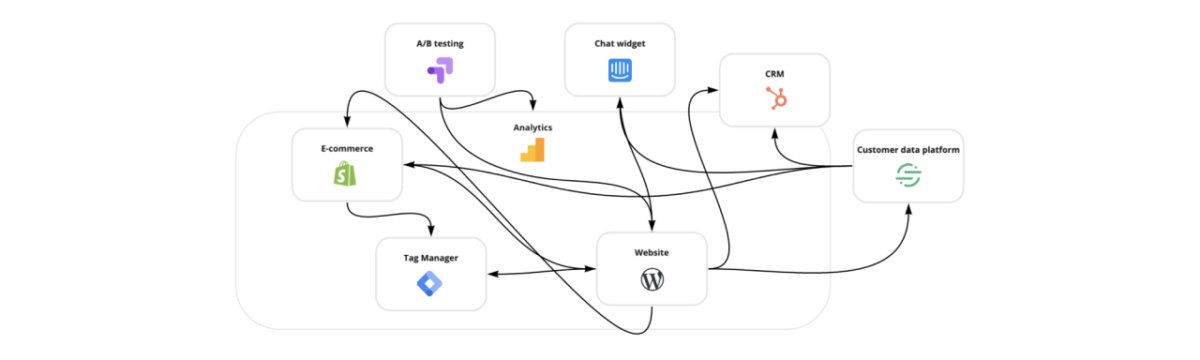
Scaling across borders is easier when your tech stack travels well. But here’s the kicker—not all tools work equally well in every Asian market.
For instance, while CRMs like HubSpot or Salesforce can anchor your lead generation efforts, you need to make sure your integrations support multilingual campaigns and comply with local data privacy laws (like Singapore’s PDPA or South Korea’s PIPA).
Some top tools to consider for scalable B2B lead generation in Asia:
- LinkedIn Sales Navigator – Ideal for Singapore and English-speaking Southeast Asia.
- Kakao BizMessage – Essential for outreach in Korea.
- Apollo.io / ZoomInfo – Use cautiously and check data compliance in local markets.
- Mailchimp / ActiveCampaign – Great for personalized drip campaigns.
- Lokalise or Smartling – To streamline localization for content and assets.
Also, don’t ignore regional ad platforms. Google and Meta are standard, but in Korea, Naver Ads often outperform them due to local search behavior.
Automation is your ally, but make sure your messaging doesn’t become robotic. Use data to segment your audience by region, industry, and buyer stage, and customize your workflows accordingly.
With the right stack, you’ll not only capture leads—you’ll nurture them across the entire funnel, no matter where they’re located.
Relationship-First Selling: Cracking the Korean B2B Code
Scaling into Korea? Get ready to slow down and dig deeper.
South Korea’s business culture is rooted in long-term relationships, hierarchy, and trust. Unlike some Western markets where speed and scalability reign supreme, here it’s all about showing commitment and credibility over time.
You won’t typically close deals after one or two touchpoints. Korean buyers often expect multiple meetings, introductions through mutual connections, and ongoing dialogue before they sign on the dotted line. That means your sales funnel needs to account for longer decision cycles and more nurturing stages.
Cold outreach still works—but warm introductions work way better. Partner with local consultants, business chambers, or Korean-speaking sales reps who understand the etiquette and can build bridges.
When it comes to content, think detailed case studies, demo videos with Korean subtitles, and content that emphasizes reliability, track record, and value—not just innovation. Koreans love data and performance proof, but they want to see it presented respectfully and professionally.
And don’t overlook presentation formats. Formal slide decks are still common, and face-to-face (or video) meetings hold more weight than a string of emails.
Bottom line: In Korea, relationships convert faster than funnels. Build trust first, and the leads will follow.

Data is King: Tracking and Optimizing Your Regional Lead Gen Efforts
You can’t scale what you can’t measure—and in Asia’s fragmented landscape, tracking your B2B lead generation efforts becomes even more critical.
Start by identifying what success looks like in each market. Is it booked calls? Qualified MQLs? Sales pipeline generated? Avoid applying a universal benchmark across all regions. What works in Singapore might not be realistic in Seoul, especially considering longer sales cycles or differing lead sources.
Set up detailed tracking through your CRM and analytics tools, and make sure you’re segmenting by market, channel, and campaign type. Tools like Google Data Studio or Tableau can help visualize performance across multiple markets in real time.
Here are a few metrics to keep a close eye on:
- Cost per lead (CPL) by country
- Lead-to-opportunity conversion rate
- Email open/click-through rates by language
- Form fill completion by region
- Platform-specific performance (e.g., LinkedIn vs. KakaoTalk)
More importantly, use these insights to iterate. If LinkedIn ads are underperforming in South Korea, reallocate that spend to native platforms. If your email open rates are higher in Singapore with short-form content, test similar formats elsewhere.
Also, loop in local teams or partners when reviewing performance—they can often spot trends or cultural reasons behind unexpected results.
Scaling across Asia isn’t just about launching campaigns. It’s about learning fast, tweaking often, and doubling down on what works—market by market.
Messaging That Converts: Speak Their Business Language
Your messaging can make or break your lead generation campaigns—especially across culturally diverse regions like Singapore and South Korea.
What grabs attention in Singapore? Clear ROI, time savings, innovation, and leadership in the market. Buyers in this region appreciate direct, data-driven communication. Case studies, testimonials from recognizable brands, and well-structured value propositions go a long way.
In South Korea, messaging needs to come with a different touch. Trust, credibility, and subtle hierarchy play a much bigger role. Instead of jumping into “why we’re the best,” your pitch should show a deep understanding of the industry, commitment to long-term success, and humility in approach.
Here are a few messaging tips to localize effectively:
- Singapore: Use concise, benefit-driven headlines. Focus on performance, credibility, and speed.
- South Korea: Lean into storytelling, social proof, and building emotional connection before pushing product benefits.
- General Rule: Avoid overly casual or slang-heavy language. Maintain professionalism but adjust tone based on the audience.
It also helps to conduct A/B tests with your subject lines, call-to-actions (CTAs), and lead magnets across regions. The same whitepaper titled “Boost ROI with B2B Automation” might perform well in Singapore, while in Korea, a title like “A Proven Framework for Long-Term Enterprise Growth” could resonate more.
Your words should feel familiar, culturally aware, and respectful. That’s when your message moves from the inbox to the decision-maker’s agenda.
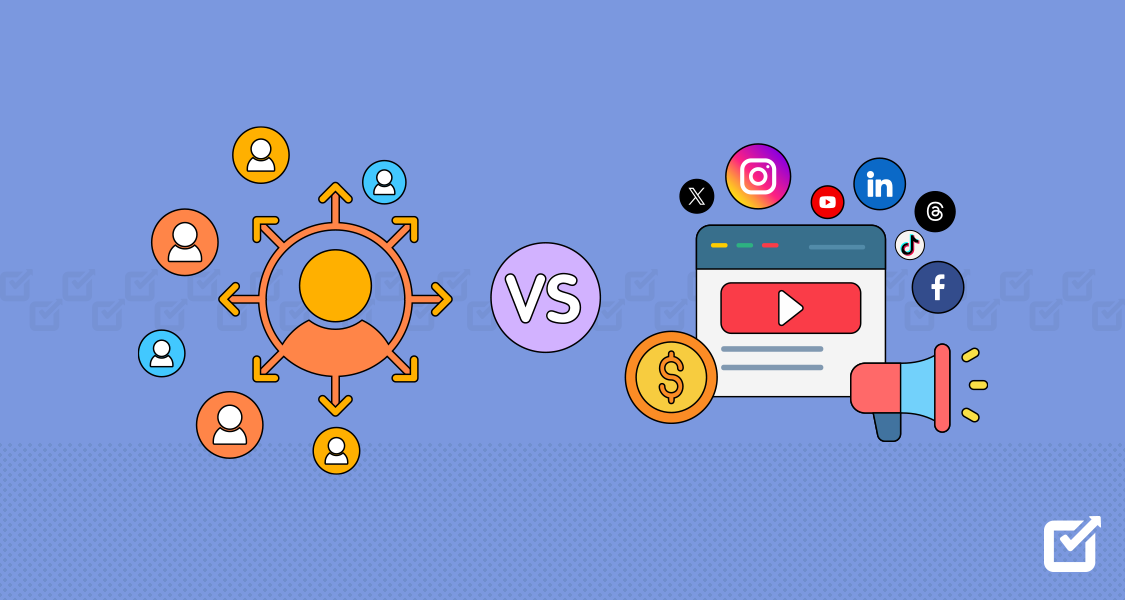
Paid Ads vs. Organic Reach: Choosing the Right Mix per Market
When you’re expanding across Asia, your traffic sources need to be just as localized as your messaging.
Let’s talk paid vs. organic. In Singapore, a hybrid model tends to work well. Paid LinkedIn, Google Ads, and sponsored email campaigns can generate quick results, especially when paired with ongoing SEO and content marketing efforts.
This market appreciates thought leadership, so investing in blog content, whitepapers, and high-ranking landing pages helps drive long-term value. A strong organic presence builds trust—critical in the B2B space.
In contrast, South Korea leans heavily toward local platforms. Google’s presence is weaker here, and Naver dominates the search scene. If you’re running paid campaigns in Korea, investing in Naver Search Ads and Display Ads on Kakao is a must. But here’s the twist—South Koreans still value organic authority. That means Naver Blog and Naver Café optimization should also be part of your strategy.
To make your ad spend count:
- Singapore: Allocate spend to LinkedIn Ads, Google Ads, and content promotion. Use UTM tags and A/B tests to track performance.
- South Korea: Budget for Naver PPC, Kakao display, and boost your presence on local forums and blogs.
- Everywhere: Don’t ignore retargeting. Leads across Asia often take longer to convert, and retargeting keeps your brand top-of-mind.
Ultimately, the right channel mix depends on your goals and your audience. And remember—what gets traffic isn’t always what gets trust. Combine paid and organic for the best of both worlds.
Scaling with Partners: The Underrated Growth Multiplier
Here’s something many companies overlook when expanding their B2B lead generation across Asia: the power of local partnerships.
Whether it’s a channel partner, a regional consultant, or a marketing agency with boots on the ground, having local allies can dramatically cut your learning curve—and build trust faster with your target audience.
In markets like South Korea, this isn’t optional. Business is deeply relational, and introductions through known networks carry more weight than any cold outreach ever could. A strategic partner can help you:
- Navigate regulatory and compliance hurdles
- Translate not just language, but intent
- Connect with decision-makers faster
- Co-host webinars, workshops, or joint campaigns
- Share lists or referral networks ethically
In Singapore, working with a trusted B2B Lead Generation for Singapore agency can give you a huge leg up. These teams know the local buying signals, preferred communication channels, and how to position your offer in a saturated market.
When choosing partners, look for those with proven industry experience, cultural fluency, and a track record of success. Also, be clear on goals and deliverables—partnerships are powerful, but only when aligned.
Want to scale faster and smarter? Don’t go it alone. The right partner could be the key to unlocking your next big lead pipeline.
Final Thoughts: Think Regional, Act Local
Asia is massive. Diverse. Fast-moving. And full of potential.
But scaling your B2B lead generation efforts from Singapore to Seoul isn’t about going big—it’s about going smart.
You need to think regionally while acting locally. That means taking the time to understand cultural differences, building tailored messaging, choosing the right tech and channels, and, most importantly, earning the trust of your audience.
Start where the foundation is strong—Singapore. Use your early wins to fund and inform your expansion into more complex but high-reward markets like South Korea. Along the way, keep testing, refining, and learning.
Every touchpoint matters. Every email, ad, landing page, and follow-up is a chance to show your audience you understand their world—and have something valuable to offer.
So don’t rush the process. Build with intention. And scale with clarity.
Because in Asia, the companies that win aren’t always the loudest—they’re the ones that listen best.


